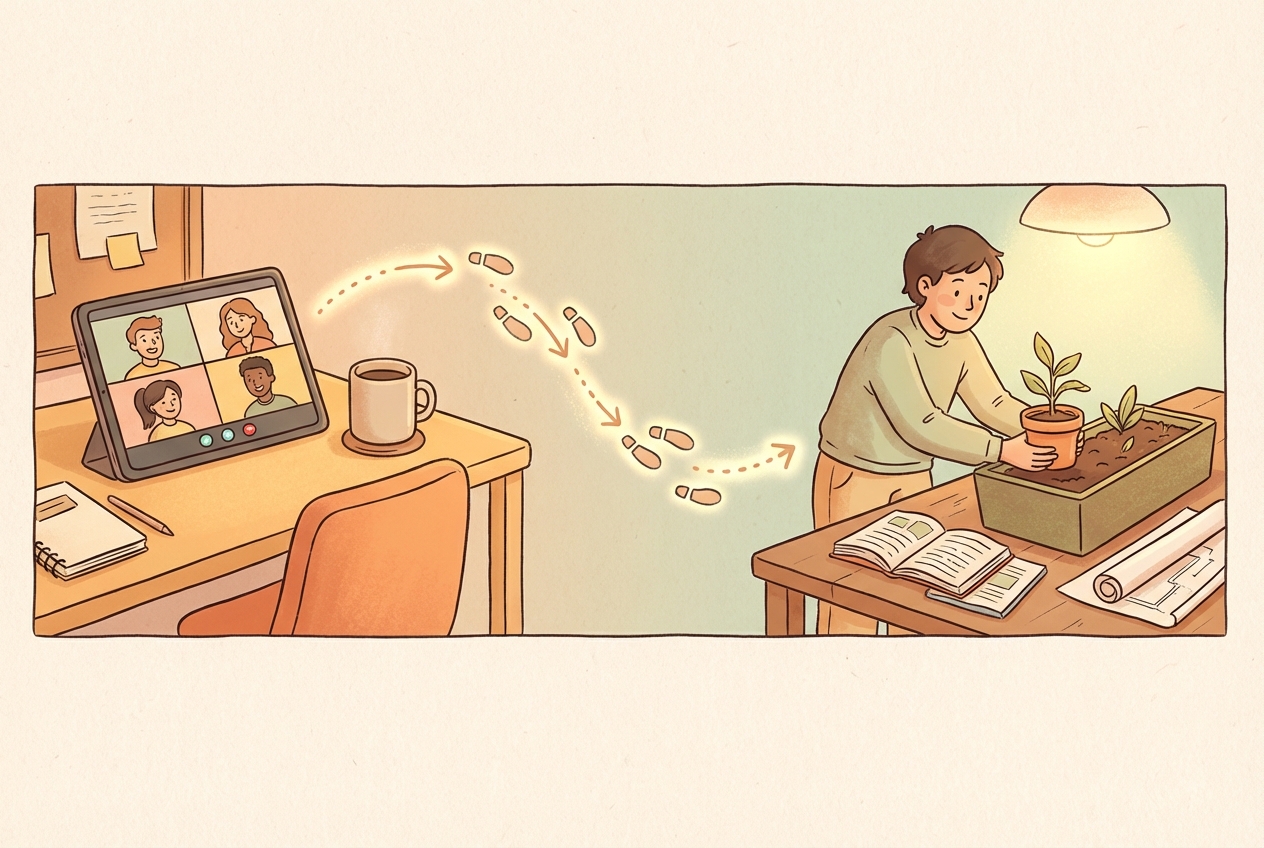

Mental health support remains out of reach for millions. The cost of traditional therapy sessions creates a significant barrier. A single hour with a licensed therapist often exceeds one hundred dollars. Many insurance plans offer limited coverage or none at all. This financial reality forces countless individuals to delay or abandon their pursuit of emotional wellness. The consequences ripple through families, workplaces, and communities. Yet the need for mental health care has never been greater. Anxiety and depression rates continue to climb across all demographics. The gap between those who need help and those who can afford it widens each year. Coheras offers a different approach to this persistent problem. Their model addresses the core issue directly: therapy is expensive, and finding an affordable path to clarity should not require financial sacrifice. By restructuring how mental health services are delivered and priced, this platform opens doors that traditional practice models keep firmly closed. The result is accessible, professional support designed for real people with real budgets.
Mental health awareness has increased dramatically over the past decade. Public conversations about anxiety, depression, and trauma have reduced stigma. More people recognize when they need professional help. This shift represents genuine progress. However, awareness without access creates its own form of frustration. Knowing that help exists while being unable to afford it compounds existing distress.
The average cost of therapy in the United States ranges from eighty to two hundred dollars per session. Most treatment plans recommend weekly sessions for several months. The math becomes prohibitive quickly:
Weekly sessions at one hundred fifty dollars equal six hundred dollars monthly
A six-month treatment course can exceed three thousand dollars
Out-of-network providers require full payment upfront
Insurance deductibles often must be met before coverage begins
Copays for in-network providers still add up significantly
These numbers exclude individuals from care entirely. Others stretch their budgets to breaking points. Some space sessions so far apart that therapeutic progress stalls. The financial stress of paying for therapy can undermine the very relief therapy is meant to provide.
Postponing mental health care carries substantial costs of its own. Untreated anxiety affects job performance and career advancement. Depression strains relationships and family dynamics. Unprocessed trauma influences decision-making in ways that compound over time. Physical health suffers as well. Chronic stress elevates cortisol levels. Sleep disturbances become routine. Immune function declines. The body keeps score, as researchers have documented extensively. Productivity losses from untreated mental health conditions cost employers billions annually. Individuals bear even greater personal costs. The irony remains sharp: avoiding expensive therapy often leads to expenses far exceeding what treatment would have cost.
Traditional therapy models evolved in an era of in-person appointments and paper records. Overhead costs for office space, administrative staff, and scheduling systems get passed to clients. Coheras eliminates much of this infrastructure. The savings flow directly to those seeking care.
Coheras structures its pricing around subscription-based access rather than per-session fees. This approach offers several advantages:
Predictable monthly costs allow for realistic budgeting
Unlimited messaging with therapists between sessions adds value
Sliding scale options accommodate varying income levels
No hidden fees or surprise charges appear on statements
Cancellation policies respect both client and therapist time
The platform negotiates rates with licensed professionals who appreciate consistent client flow. Therapists spend less time on marketing and administrative tasks. They can focus on clinical work. This efficiency benefits everyone involved in the therapeutic relationship.
Finding the right therapist traditionally involves research, phone calls, and trial appointments. Each step consumes time and money. Coheras uses detailed intake questionnaires to match clients with appropriate providers. The system considers presenting concerns, communication preferences, scheduling needs, and therapeutic approach compatibility. A client dealing with workplace anxiety connects with a therapist experienced in that area. Someone processing grief finds a specialist in loss and bereavement. This precision reduces the costly process of therapist shopping.
Affordable access means little without effective treatment. Coheras maintains rigorous standards for the professionals on its platform. Licensure verification, background checks, and ongoing quality monitoring ensure clinical competence.
Therapists on the platform employ established methodologies with documented outcomes:
Cognitive Behavioral Therapy addresses thought patterns driving emotional distress
Dialectical Behavior Therapy builds distress tolerance and emotional regulation skills
EMDR helps process traumatic memories and reduce their present-day impact
Acceptance and Commitment Therapy fosters psychological flexibility
Solution-Focused Brief Therapy targets specific goals efficiently
These approaches have substantial research support. They work. Clients receive treatment grounded in science rather than untested theories. The platform provides educational resources explaining each modality. Informed clients can participate actively in their own care.
Therapy without direction produces limited results. Coheras encourages collaborative goal-setting from the first session. Measurable objectives keep treatment focused. Progress becomes visible rather than abstract. A client might target reducing panic attack frequency from daily to weekly within three months. Another might aim to establish boundaries with a difficult family member. Specific goals allow for specific interventions. They also provide motivation when the work feels difficult. Tracking tools within the platform document improvements over time. This data supports both client and therapist in evaluating what works.
Time constraints rival cost as barriers to mental health care. Traditional appointments require travel, waiting rooms, and rigid scheduling. These demands conflict with work obligations, childcare responsibilities, and geographic limitations.
Coheras operates primarily through video sessions and secure messaging. This structure offers practical benefits:
Sessions happen from home, office, or any private space
Evening and weekend appointments accommodate work schedules
No commute time extends the value of each session
Rural clients access the same providers as urban residents
Travel for work or family does not interrupt treatment continuity
The technology is straightforward. A smartphone, tablet, or computer with a camera enables full participation. Technical support assists those less comfortable with digital tools.
Regular attendance drives therapeutic progress. The convenience of digital access supports consistency. Missing appointments becomes less likely when sessions require only a quiet room and internet connection. Privacy considerations receive careful attention. Encrypted communications protect sensitive disclosures. No information appears on statements that would identify the nature of services received. Clients control what, if anything, they share with employers or family members about their participation. This discretion matters. Stigma around mental health treatment persists in many communities and workplaces. The ability to seek help privately removes another barrier to care.
Mental health is not a destination but an ongoing practice. Coheras designs its services for sustained engagement rather than crisis intervention alone. Clients who achieve their initial goals can continue with maintenance sessions. Others may pause and return when new challenges arise. The subscription model accommodates these natural rhythms without financial penalty. Building mental health skills resembles physical fitness. Regular practice maintains capacity. Occasional intensive periods address specific challenges. Long breaks lead to some loss of conditioning. The platform supports this view through resources between sessions. Guided exercises, journaling prompts, and educational content extend therapeutic work beyond scheduled appointments.
Affordable therapy is not a compromise on quality. It is a recognition that financial barriers serve no clinical purpose. Coheras demonstrates that professional mental health support can reach those who need it without demanding impossible financial sacrifice. The path to clarity exists. Cost should not block it. Those ready to begin can explore what Coheras offers and take the first step toward the support they deserve.