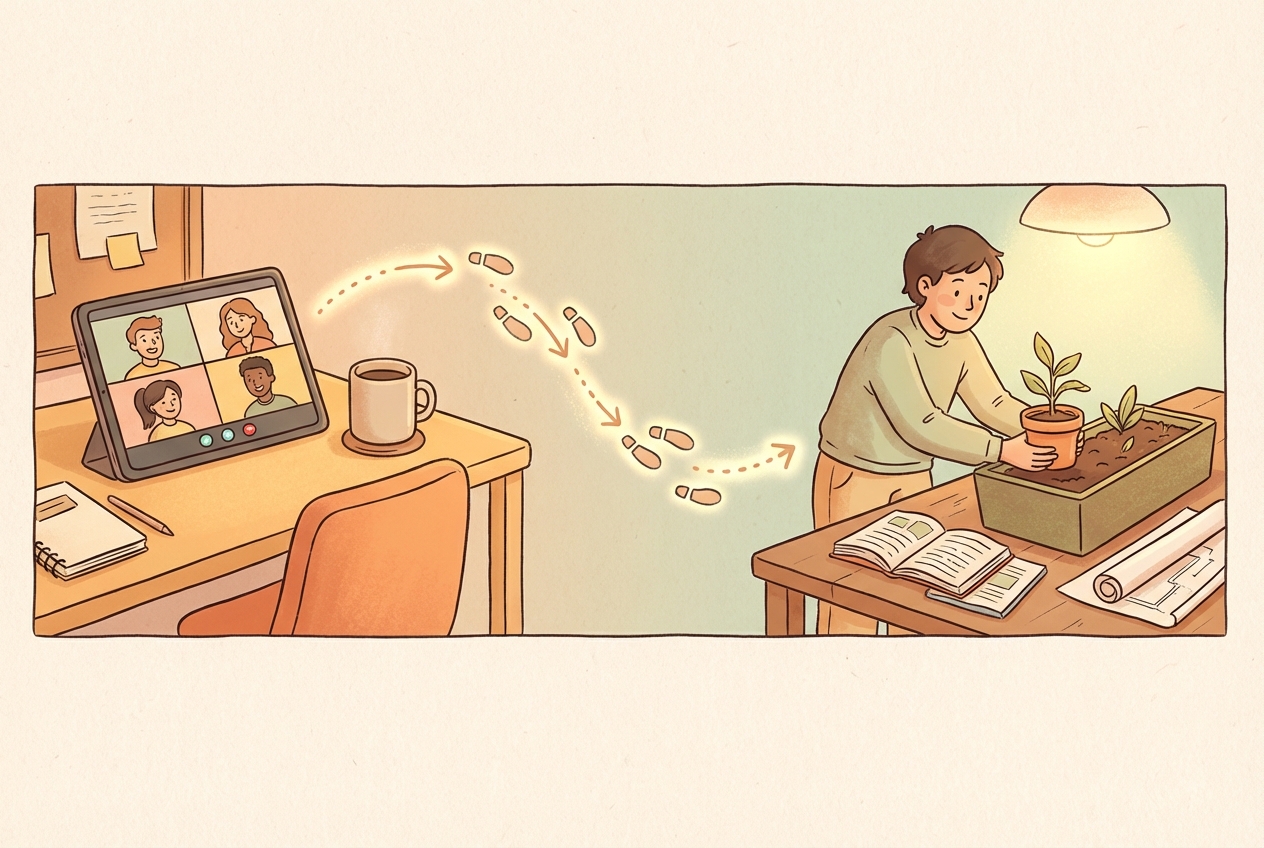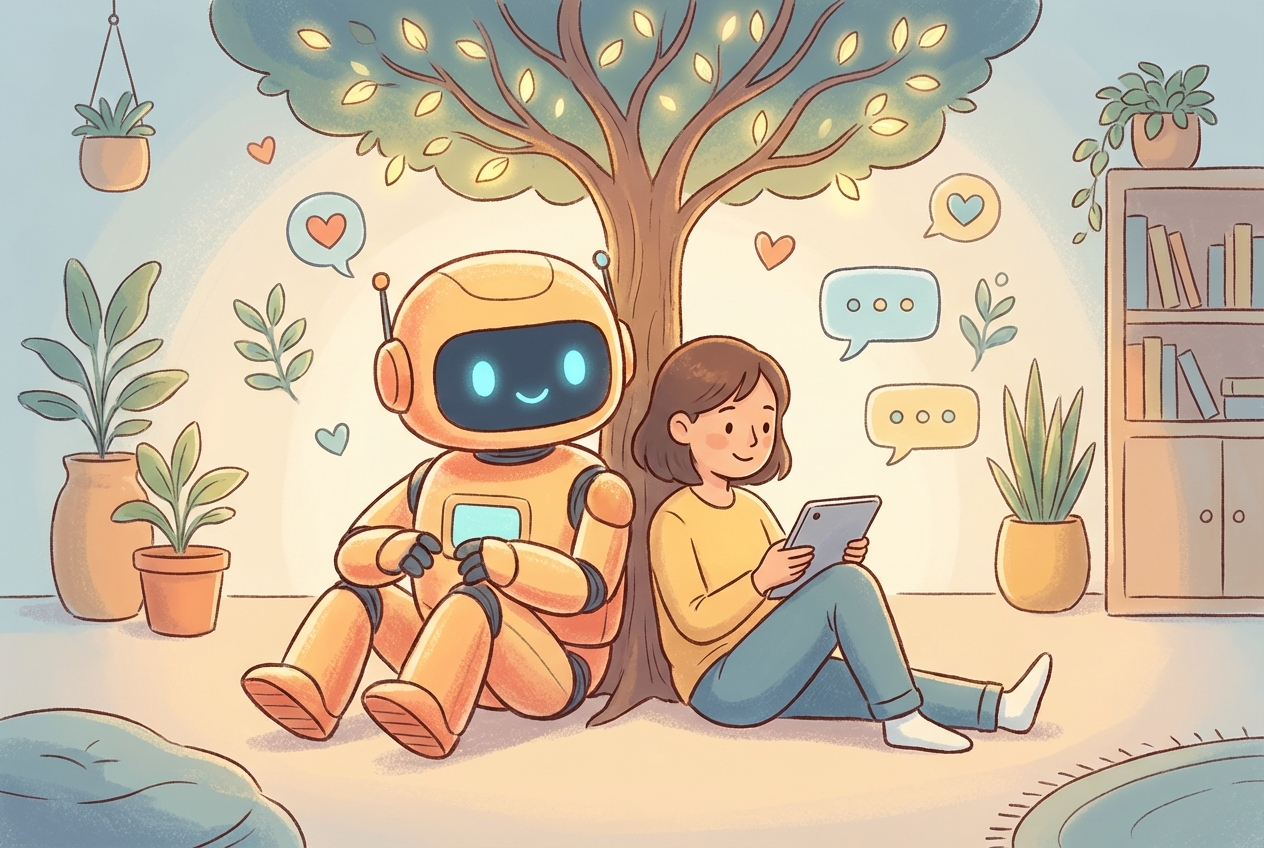
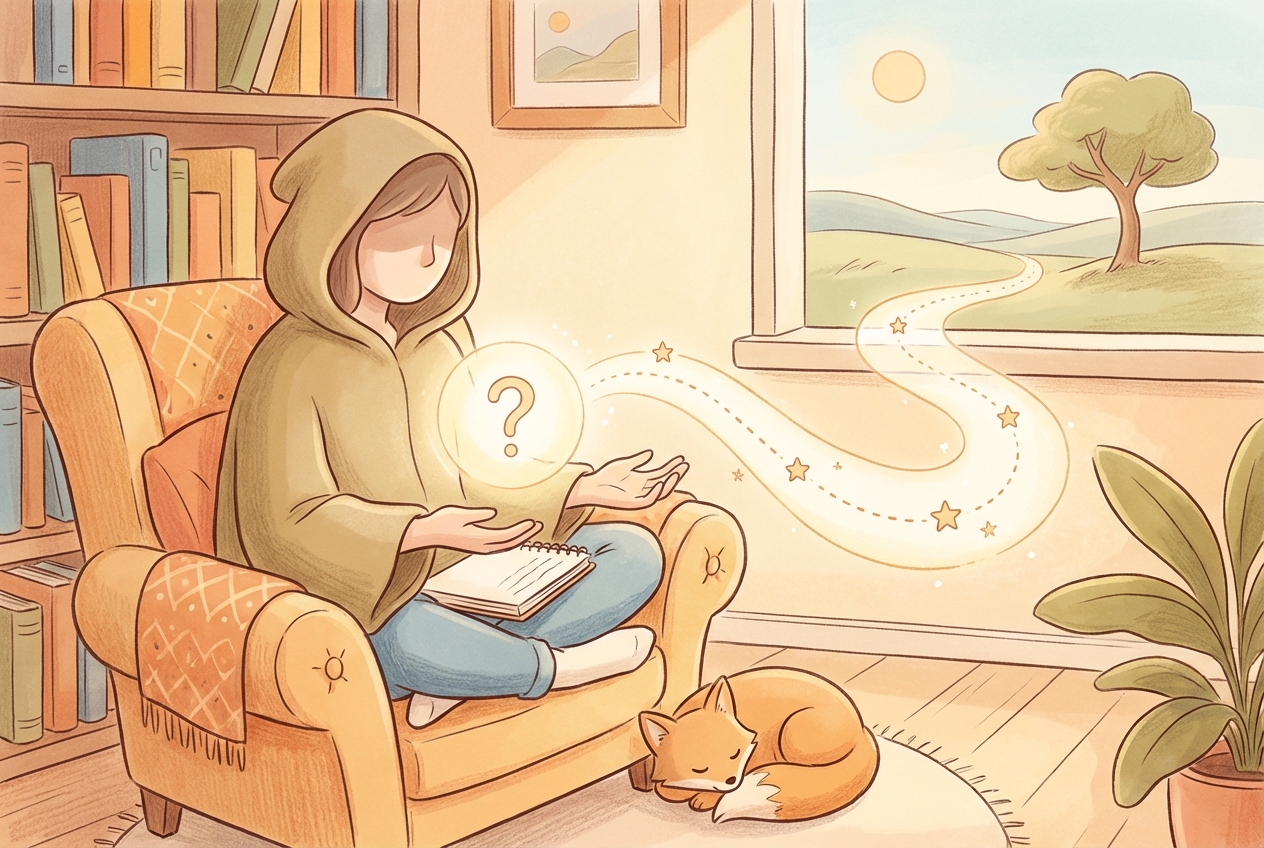
You're sitting at your desk, phone in hand, thumb hovering over the send button. The message you've typed is honest, raw, and exactly what you need to say. But you can't send it. Not to your therapist, not to your best friend, not to anyone who knows your name. The fear of being seen differently, of having your struggles become part of your permanent social record, keeps you silent. This is where anonymity becomes your greatest ally. The anonymous advantage offers something rare: finding clarity without judgment, a space where your thoughts exist separate from your identity. When nobody knows who you are, you stop performing and start processing. Your problems become puzzles to solve rather than shameful secrets to hide. This freedom unlocks a type of honest self-reflection that's nearly impossible when reputation is on the line.
Human beings are social creatures wired for acceptance. We constantly calibrate our words and actions to fit perceived expectations. This calibration exhausts us mentally and prevents genuine self-examination. Anonymity strips away these social pressures entirely.
Psychologists call it the spotlight effect: the tendency to believe others notice and remember our mistakes far more than they actually do. Your brain convinces you that everyone is watching, judging, cataloging your every misstep. This cognitive bias keeps you from speaking honestly about struggles.
Research shows people overestimate how much others pay attention to them by roughly 50%. Yet this knowledge doesn't reduce the anxiety. You still feel watched, even when logic tells you otherwise. Anonymous spaces bypass this problem completely.
The spotlight effect intensifies with sensitive topics
Shame amplifies perceived social scrutiny
Anonymous expression eliminates the audience entirely
Your brain relaxes when identity isn't at stake
Every relationship carries expectations. Your mother expects you to be responsible. Your boss expects competence. Your friends expect you to have your life together. These expectations create a persona you maintain automatically.
Anonymity lets you step outside that persona. You can admit you're struggling financially without worrying about your neighbor's judgment. You can confess relationship doubts without alerting mutual friends. This radical honesty becomes possible only when consequences disappear.
Clarity requires honesty, and honesty requires safety. When you're free to express thoughts without filtering them for social acceptability, patterns emerge. You start seeing your actual problems instead of the versions you've been performing for others.
Writing anonymously about your feelings forces you to articulate them precisely. You can't rely on shared context or nonverbal cues. Every emotion must be spelled out clearly. This process alone creates understanding.
Consider someone processing grief while maintaining a brave face for family. Anonymously, they can admit they're angry at the person who died. They can confess relief mixed with sorrow. These taboo emotions need expression to be processed. Anonymous platforms provide that outlet without social cost.
Articulating emotions forces clarity
No audience means no performance
Contradictory feelings can coexist safely
Processing happens through expression
Online communities built around pseudonyms offer something unique: perspective without bias. When strangers respond to your situation, they react to the facts alone. They don't factor in your history, your reputation, or their relationship with you.
A Reddit user asking for career advice gets responses based purely on the situation described. No one softens their opinion because they'll see you at Thanksgiving. No one holds back because they owe you a favor. This objectivity cuts through the noise that usually surrounds personal decisions.
Some subjects carry so much stigma that discussing them openly feels impossible. Mental health struggles, addiction, relationship problems, career failures: these topics require safe spaces for honest exploration.
Anonymous forums have become crucial mental health resources. People describe symptoms they'd never mention to a doctor. They ask questions they're too embarrassed to voice in therapy. They find others experiencing identical struggles and realize they're not alone.
This isn't a replacement for professional help. It's a bridge to it. Someone who writes anonymously about depression for months may eventually find the courage to seek treatment. The anonymous community normalized their experience first.
Anonymous sharing reduces isolation
Finding similar experiences validates struggles
Stigma decreases when stories are shared widely
Many users transition to professional support
Career questions carry professional risk. Asking publicly whether you should leave your job could reach your employer. Admitting you're struggling in your role might affect your reputation. Anonymous platforms let you explore these questions safely.
Professionals regularly seek anonymous feedback about job offers, workplace conflicts, and industry changes. They get honest input from strangers who have no stake in their decisions. This clarity helps them make choices they might otherwise avoid out of fear.
Anonymity isn't just for venting. Used strategically, it becomes a powerful tool for personal development. The key lies in distinguishing between healthy anonymous expression and destructive hiding.
Healthy anonymity serves self-understanding. You use it to process emotions, gather perspectives, and work through problems. You eventually integrate insights into your real life. The anonymous space is a workshop, not a hiding place.
Toxic anonymity looks different. It becomes an escape from reality rather than a tool for engaging with it. You create an entire separate identity that never connects to your actual life. Problems discussed anonymously never get addressed in the real world.
Constructive anonymity leads to action
Toxic anonymity replaces action with venting
Check whether insights transfer to real life
Anonymous spaces should supplement, not replace, real connections
Getting useful anonymous feedback requires skill. Vague posts get vague responses. Biased framing gets biased reactions. Honest, detailed descriptions yield the most valuable input.
Present your situation as neutrally as possible. Include details that might make you look bad. Ask specific questions rather than general ones. Consider posting the same situation from multiple angles to see how framing affects responses.
Choose communities carefully. Some anonymous spaces attract supportive users seeking genuine connection. Others attract trolls looking for targets. Read community norms before posting. Notice how members respond to vulnerability.
Anonymous clarity means nothing if it stays anonymous. The goal is bringing insights from protected spaces into your actual relationships, decisions, and self-understanding. This integration requires deliberate effort.
Start by journaling about patterns you've noticed in anonymous spaces. What topics do you only discuss anonymously? What truths have you admitted to strangers but not to yourself? These patterns reveal where growth needs to happen.
Consider which insights are ready for real-world application. Some realizations need time to settle before action. Others demand immediate change. A career decision processed anonymously might need implementation. A relationship concern might need a difficult conversation.
Build bridges between anonymous and identified spaces gradually. Share one vulnerable truth with a trusted friend. Test how it feels to be known more fully. Each successful bridge makes the next one easier.
Journal insights from anonymous interactions
Identify patterns in what you hide
Choose one insight to bring into real life
Build trust gradually through small vulnerabilities
The anonymous advantage isn't about hiding forever. It's about finding a safe space to discover what you actually think and feel before facing social consequences. You get to rehearse honesty before performing it. You process emotions before sharing them. You gather perspectives before making decisions.
Your anonymous self and your public self don't need to be strangers. The clarity you find without judgment can inform the person others know. Start with one protected space for honest expression. Notice what emerges when nobody's watching. Then slowly, carefully, let those truths shape your visible life.