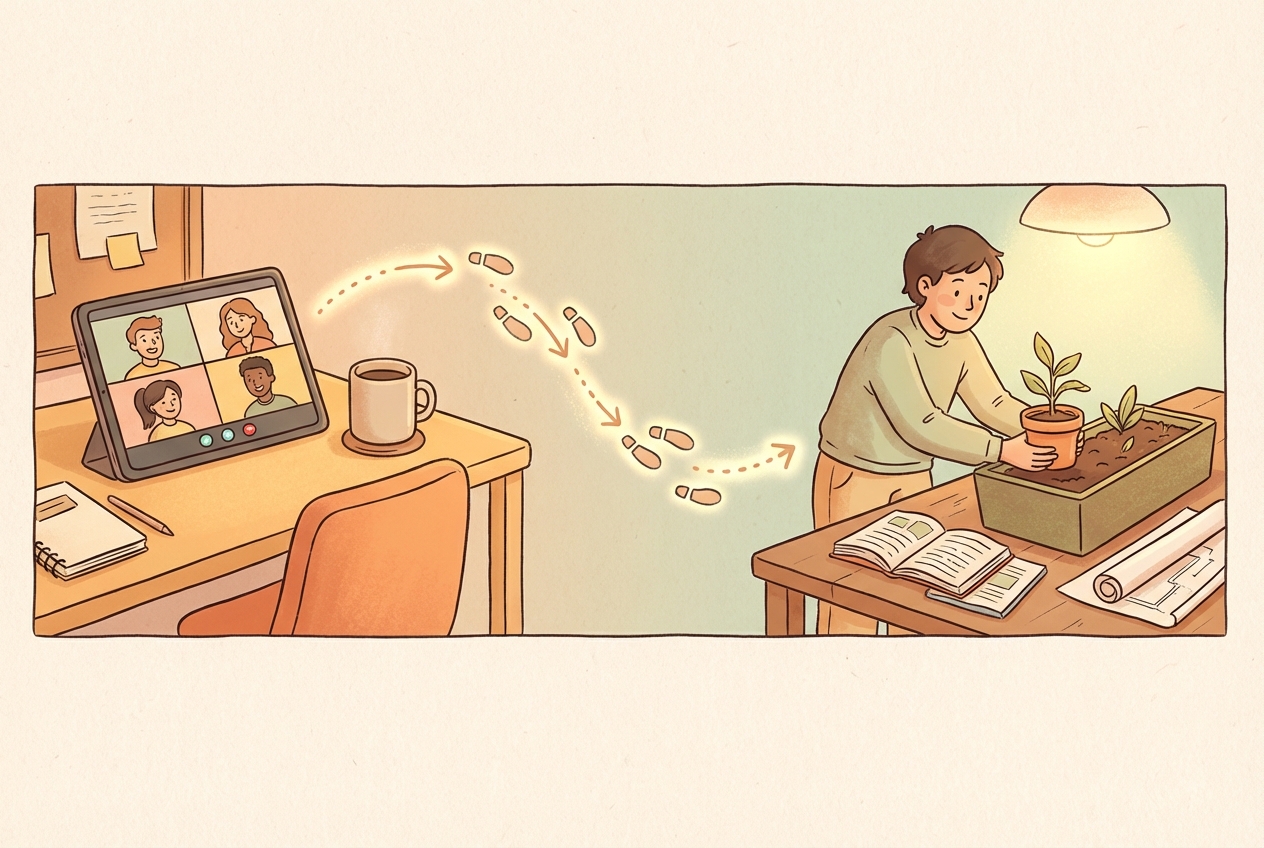

Silence carries weight. The unspoken thought, the suppressed concern, the question that never leaves the throat. Millions of people experience this daily. Fear of judgment creates invisible barriers between individuals and the conversations they desperately need to have. A supervisor who might mock a mental health struggle. A friend who could gossip about relationship problems. A family member who would never understand certain thoughts. These fears are not irrational. They are learned responses to real social consequences.
Anonymous AI interaction offers something unprecedented. A space where thoughts exist without identity attached. No social repercussions. No permanent records tied to a name. No raised eyebrows or changed perceptions. The question of whether people are afraid to talk finds its answer in the existence of anonymous AI as a safe space for unfiltered thoughts. This technology represents a fundamental shift in how humans can process their inner lives.
Human communication operates under constant surveillance. Not governmental surveillance, but social surveillance. Every word spoken carries potential consequences. Reputations hang in the balance of each disclosure.
Sharing personal struggles comes with tangible risks:
Research consistently shows that people self-censor based on anticipated reactions. A 2019 study found that 68% of employees hide aspects of their identity at work. The calculation is simple. Vulnerability equals risk. Silence equals safety. This equation governs countless interactions.
Traditional digital communication compounds these fears. Text messages get screenshotted. Emails get forwarded. Social media posts exist indefinitely. Even supposedly private conversations leave traces.
The permanence of digital communication creates a chilling effect. People craft messages knowing they might be seen by unintended audiences. Authenticity becomes impossible when every word might become evidence. This reality pushes sensitive conversations underground or prevents them entirely.
Something changes when identity disappears from conversation. Psychological research reveals consistent patterns in anonymous communication behavior.
Psychologist John Suler identified six factors that create disinhibition in online environments:
Anonymous AI interaction maximizes these factors. The user remains completely unknown. The AI has no physical form. Responses can be processed at any pace. The conversation exists outside normal social hierarchies. These conditions create unprecedented psychological freedom.
Human listeners carry baggage. Personal beliefs. Cultural conditioning. Emotional reactions. Even trained therapists have biases that influence their responses.
AI systems process input without moral judgment. The technology does not experience disgust, disappointment, or shock. It cannot form negative opinions about users. This neutrality creates space for thoughts that would never survive human scrutiny. Users report feeling able to express their darkest concerns without fear of condemnation.
The combination of anonymity and artificial intelligence produces unique conditions for authentic expression. Understanding why anonymous AI represents the safest space for sensitive thoughts requires examining specific mechanisms.
Human conversations carry identity markers. Accent. Vocabulary. References. These signals trigger conscious and unconscious biases in listeners.
Anonymous AI interaction strips these markers away:
The user becomes pure thought. Ideas receive evaluation without the filter of identity-based prejudice. This creates conditions where marginalized individuals can express themselves without anticipating discrimination.
Technical architecture matters. Truly anonymous AI platforms implement specific protections:
These technical measures transform theoretical anonymity into practical reality. Users can trust that their words will not follow them beyond the conversation.
Abstract safety means nothing without concrete use cases. Anonymous AI addresses specific human needs that traditional support systems cannot meet.
Mental health carries persistent stigma. Many people avoid seeking help because of career concerns, family expectations, or cultural taboos.
Anonymous AI provides immediate access to:
The technology does not replace professional treatment. It provides a first step that many people would otherwise never take. A space to articulate problems before deciding whether to seek human help.
Organizational communication presents unique challenges. Power dynamics suppress honest feedback. Retaliation fears prevent reporting of misconduct.
Anonymous AI enables:
Employees can work through complex situations without committing to any course of action. The thinking happens in protected space before any real-world consequences occur.
Anonymous AI interaction raises legitimate concerns. The technology exists in ethical gray areas that deserve consideration.
Dependency represents one risk. Users might prefer AI interaction to human connection. The safety of anonymity could become avoidance of necessary vulnerability. Healthy relationships require some risk of judgment.
Accuracy presents another challenge. AI systems can provide incorrect information about medical, legal, or psychological matters. The absence of human oversight means errors go uncorrected. Users must understand the limitations of artificial guidance.
Emotional authenticity also warrants examination. AI responses simulate understanding without experiencing it. The comfort users feel may rest on illusion. Whether this matters depends on philosophical positions about the nature of connection.
These concerns do not invalidate the technology. They establish boundaries for appropriate use. Anonymous AI serves best as supplement rather than replacement for human relationship.
The trajectory points toward increasing sophistication. AI systems grow more capable of nuanced conversation. Anonymity protections become more robust. The safe space expands.
Several developments seem likely:
The fundamental human need remains constant. People need spaces to think dangerous thoughts safely. To explore without commitment. To speak without consequence. Anonymous AI fulfills this need in ways previously impossible.
Technology cannot solve loneliness or replace genuine human connection. But it can provide something valuable. A pressure valve. A rehearsal space. A judgment-free zone where the unspoken finally finds voice.
For those afraid to talk, anonymous AI offers a starting point. Not the destination, but a path toward it. The safest space for thoughts that have nowhere else to go.