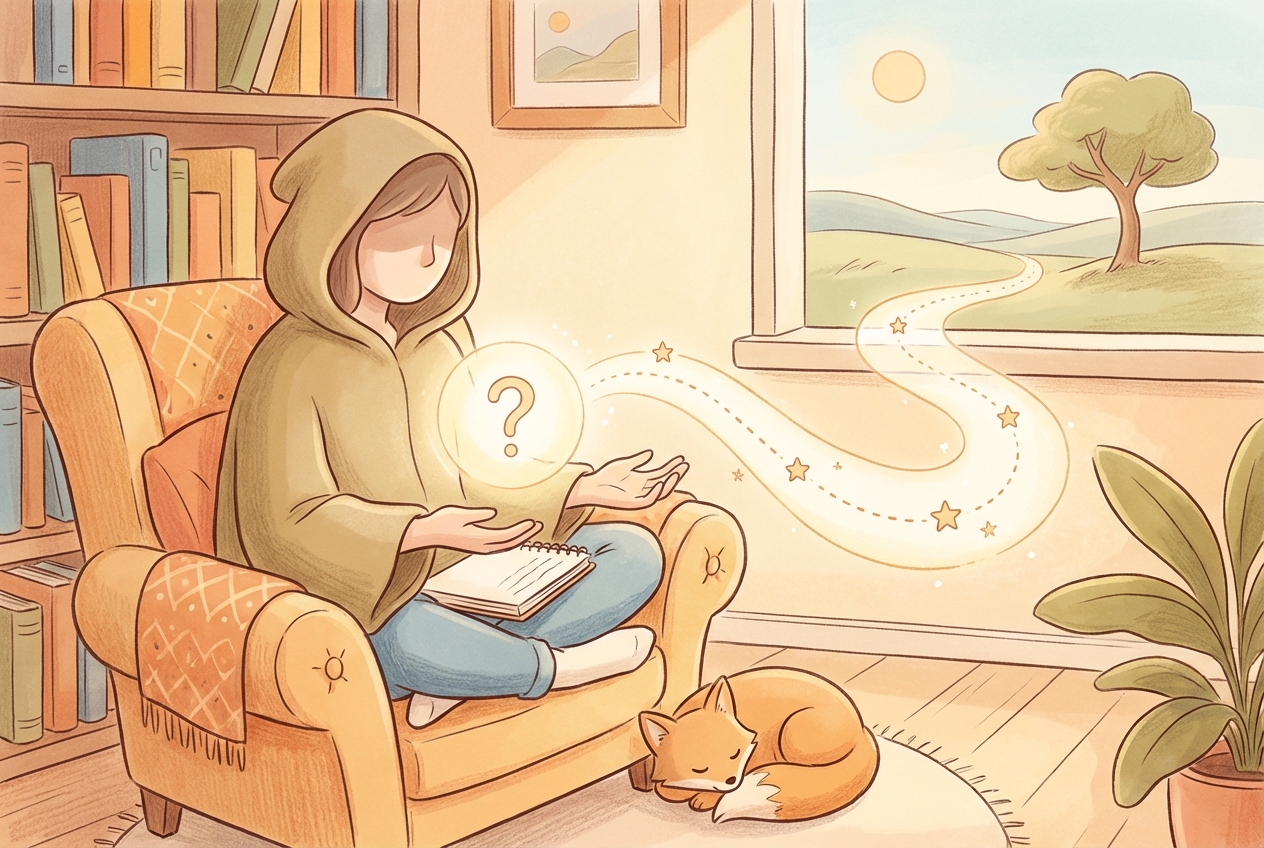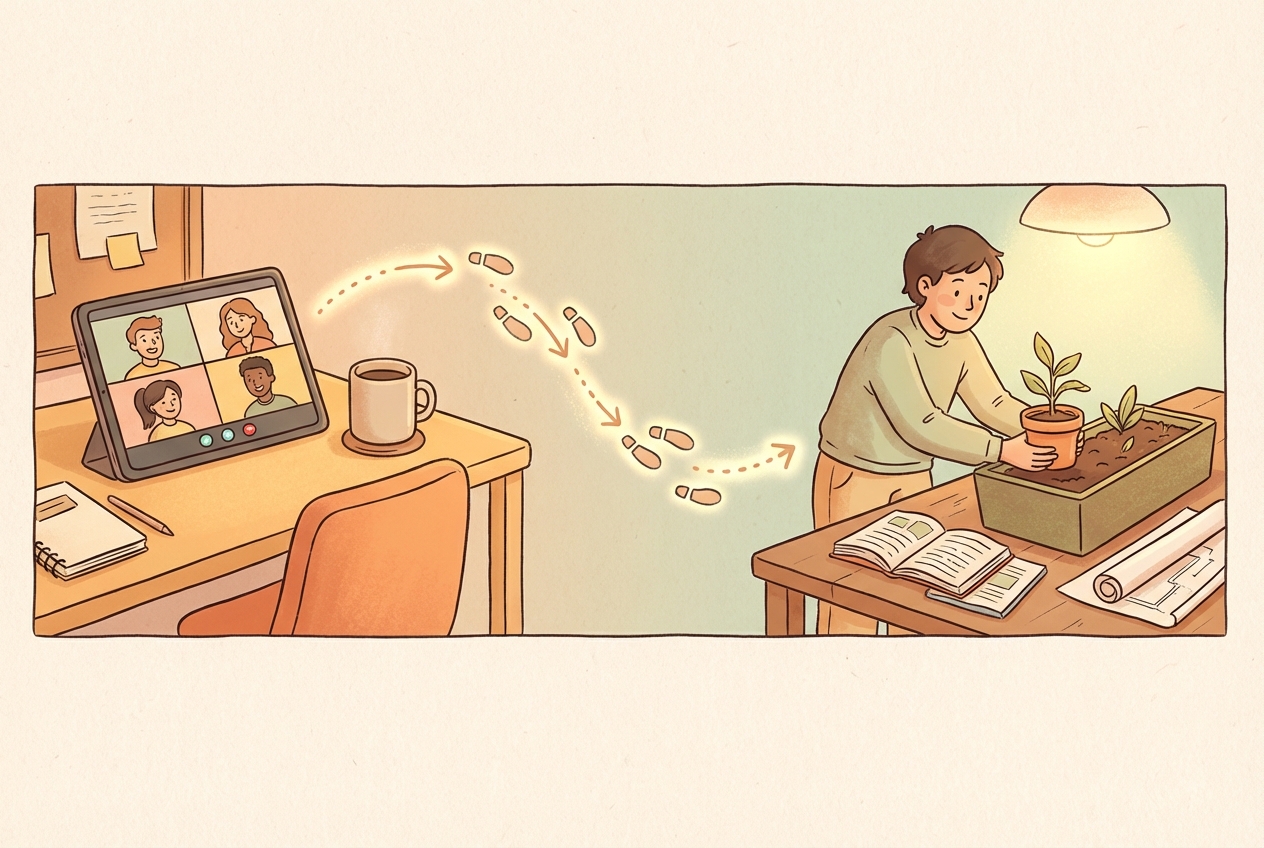
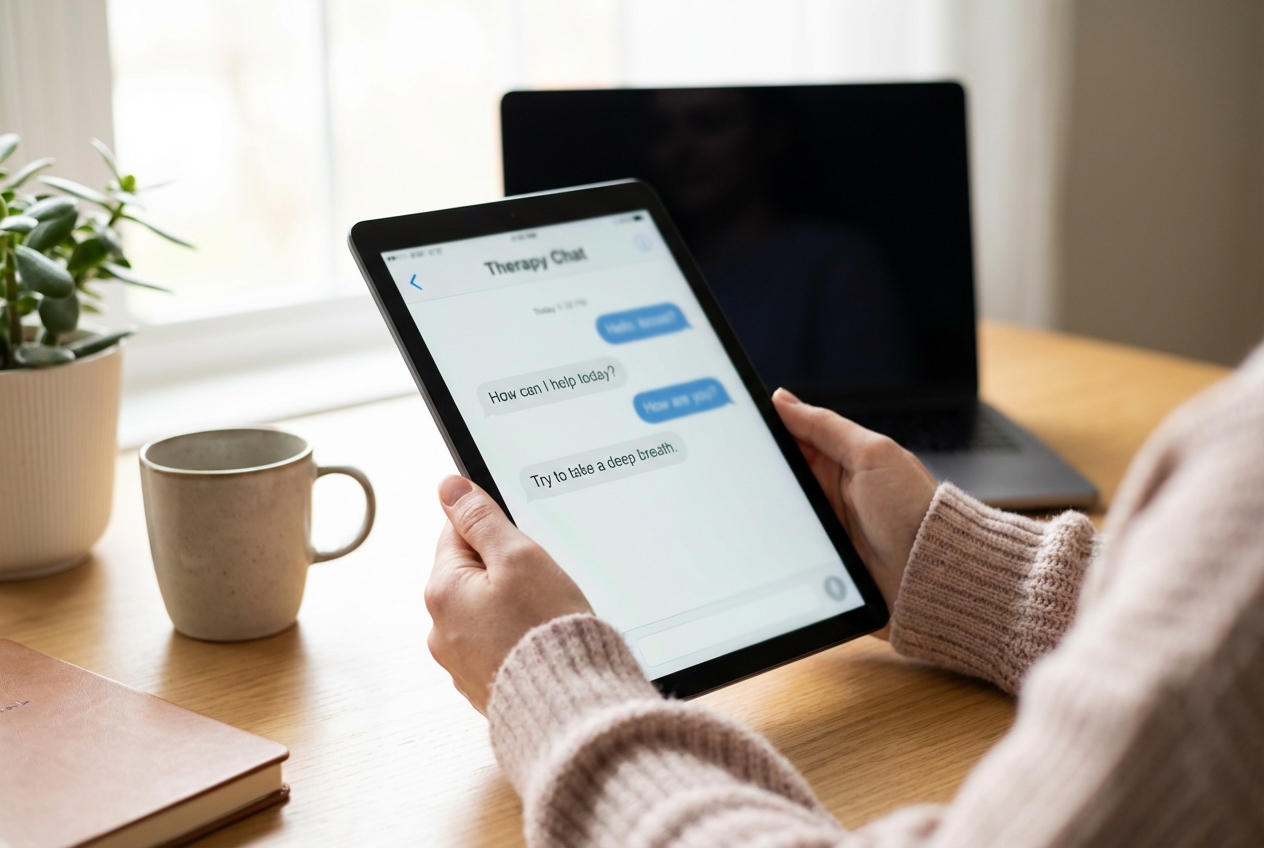
A racing heart at 2 a.m. A spiral of worst-case scenarios during a morning commute. The familiar tightness in the chest before a difficult conversation. Anxiety does not announce itself politely. It arrives without warning, often at the most inconvenient moments. Traditional therapy offers profound support, but scheduling an appointment three weeks out provides little comfort during an acute episode. This gap between immediate distress and professional intervention has created space for a new category of mental health tools. Therapy-like chat interfaces now offer anxiety hacks that can calm the mind in minutes rather than weeks. These platforms range from AI-powered companions to text-based connections with licensed professionals. The appeal is straightforward: accessible, immediate, and private. Typing thoughts into a chat window creates psychological distance from overwhelming emotions. The act of articulating distress forces cognitive processing that pure rumination cannot achieve. For millions experiencing anxiety, these chat tools have become a first line of defense, a bridge between crisis and care, and sometimes a standalone practice for emotional regulation.
Mental health care has historically operated on a scarcity model. Limited practitioners, high costs, and geographic barriers created access problems that left many without support. Digital platforms have begun dismantling these obstacles. The smartphone in a pocket now doubles as a portal to emotional assistance.
Text-based communication removes several friction points that prevent help-seeking behavior.
No need to verbalize distress aloud, which many find difficult during acute anxiety
Asynchronous options allow responses at a comfortable pace
Physical appearance and location become irrelevant
Cost structures often lower than traditional therapy sessions
The anonymity factor deserves attention. Many individuals avoid seeking help due to stigma concerns. A chat interface provides psychological safety that a waiting room cannot. The screen becomes a confessional booth without religious connotation, a space for honesty without judgment.
Crisis hotlines have existed for decades. Weekly therapy appointments serve those with ongoing needs. The middle ground, however, remained largely unaddressed until recently. This middle ground includes moments of elevated distress that do not warrant emergency intervention but exceed normal coping capacity. Chat platforms fill this space effectively. A user experiencing a panic attack at midnight can access grounding techniques immediately. Someone spiraling into catastrophic thinking before a presentation can receive cognitive reframing support within minutes. This immediacy transforms the mental health landscape from reactive to proactive.
The practical application of chat-based support follows several established therapeutic principles. These techniques translate remarkably well to text format.
Writing anxious thoughts creates separation between the self and the distress. The thought moves from internal chaos to external artifact. This process alone provides relief for many users.
Thoughts become observable rather than overwhelming
Patterns emerge when anxious content appears in written form
The act of typing slows the cognitive process naturally
Responses from the chat interface provide alternative perspectives
A thought that loops endlessly in the mind often loses power when typed into a message box. The externalization process interrupts the anxiety cycle at a fundamental level.
Chat platforms frequently incorporate grounding techniques drawn from evidence-based practices. The 5-4-3-2-1 method translates perfectly to text format. A prompt asks the user to identify five things they can see, four they can touch, three they can hear, two they can smell, and one they can taste. This sensory engagement pulls attention from anxious rumination to present-moment awareness. Box breathing instructions work similarly well in chat format. The platform guides inhale, hold, exhale, and hold cycles through timed messages. Progressive muscle relaxation scripts adapt easily to text delivery. Each technique serves the same purpose: activating the parasympathetic nervous system to counteract the fight-or-flight response.
Cognitive behavioral therapy principles form the backbone of many chat-based interventions. The exchange format mirrors the Socratic questioning that characterizes effective CBT.
Catastrophizing receives challenge through probability assessment
All-or-nothing thinking gets examined for middle-ground alternatives
Mind reading assumptions face evidence-based scrutiny
Fortune telling patterns encounter reality testing
A chat interface can guide users through thought records, identifying triggering situations, automatic thoughts, emotional responses, and alternative interpretations. This structured approach provides concrete anxiety hacks that create lasting cognitive shifts.
The effectiveness of chat-based support rests on established psychological and neurological principles. Understanding these mechanisms increases confidence in the approach.
Typing requires motor coordination, visual attention, and language processing. These demands engage prefrontal cortex activity that competes with amygdala-driven anxiety responses. The brain cannot fully sustain panic while simultaneously constructing coherent sentences.
Research on expressive writing demonstrates measurable benefits for emotional processing. James Pennebaker's studies showed that writing about distressing experiences improved physical health markers and psychological wellbeing. Chat-based support extends this principle into interactive territory. The response component adds social regulation to the individual writing benefits. Even AI-generated responses activate neural circuits associated with social connection and support.
Consistent use of chat support creates a psychological safety net that extends beyond active sessions. Users develop confidence that help remains available if needed. This awareness alone reduces baseline anxiety for many individuals.
Reduced hypervigilance when support access is assured
Lower anticipatory anxiety about potential future distress
Increased willingness to attempt challenging situations
Development of internalized coping scripts from repeated interactions
The chat history itself becomes a resource. Users can review previous exchanges during difficult moments, accessing previously effective strategies without initiating new sessions.
The market offers numerous options ranging from fully automated AI systems to platforms connecting users with licensed mental health professionals. Selection criteria depend on individual circumstances and preferences.
AI-powered chat tools provide immediate availability and consistent responses. They excel at delivering structured interventions like grounding exercises and thought records. Cost typically runs lower than human-staffed alternatives. Limitations include inability to handle complex clinical presentations and lack of genuine therapeutic relationship.
Human therapist platforms offer clinical expertise and authentic connection. They can address nuanced situations and provide personalized treatment planning. Higher costs and potential wait times for responses represent trade-offs.
AI platforms: best for immediate intervention, structured exercises, and budget constraints
Human platforms: best for ongoing therapeutic work, complex presentations, and relationship-based healing
Hybrid models: combine AI for immediate support with human escalation for complex needs
Mental health data requires protection. Platform selection should include evaluation of security practices.
End-to-end encryption status
Data retention policies
Third-party sharing practices
HIPAA compliance for platforms operating in healthcare space
Location of data storage servers
Reading privacy policies before sharing sensitive information protects against unwanted data exposure. Reputable platforms provide transparent documentation of their security measures.
Chat-based tools work best as one component within a broader mental health strategy. They complement rather than replace traditional interventions for those with clinical anxiety disorders.
Regular use during low-anxiety periods builds familiarity with techniques. This practice ensures accessibility during high-distress moments when learning new skills becomes difficult. Many users establish daily check-in routines that maintain emotional awareness and catch escalating anxiety early.
The combination of chat support with other evidence-based practices creates synergistic effects. Meditation apps, physical exercise, sleep hygiene, and social connection all contribute to anxiety management. Chat tools serve as the immediate-response component when other strategies prove insufficient.
For those seeking professional support alongside chat tools, communicating about digital tool use with therapists allows for coordinated care. Many clinicians now incorporate app-based homework assignments into treatment plans.
The landscape of mental health support continues evolving. Chat-based platforms represent a significant advancement in accessibility and immediacy. They offer practical anxiety hacks that genuinely calm the mind within minutes. The key lies in thoughtful selection and integration into a comprehensive approach to emotional wellbeing. Starting with a single platform, practicing techniques during calm periods, and building familiarity before crisis moments arrive positions users for maximum benefit when anxiety inevitably surfaces.