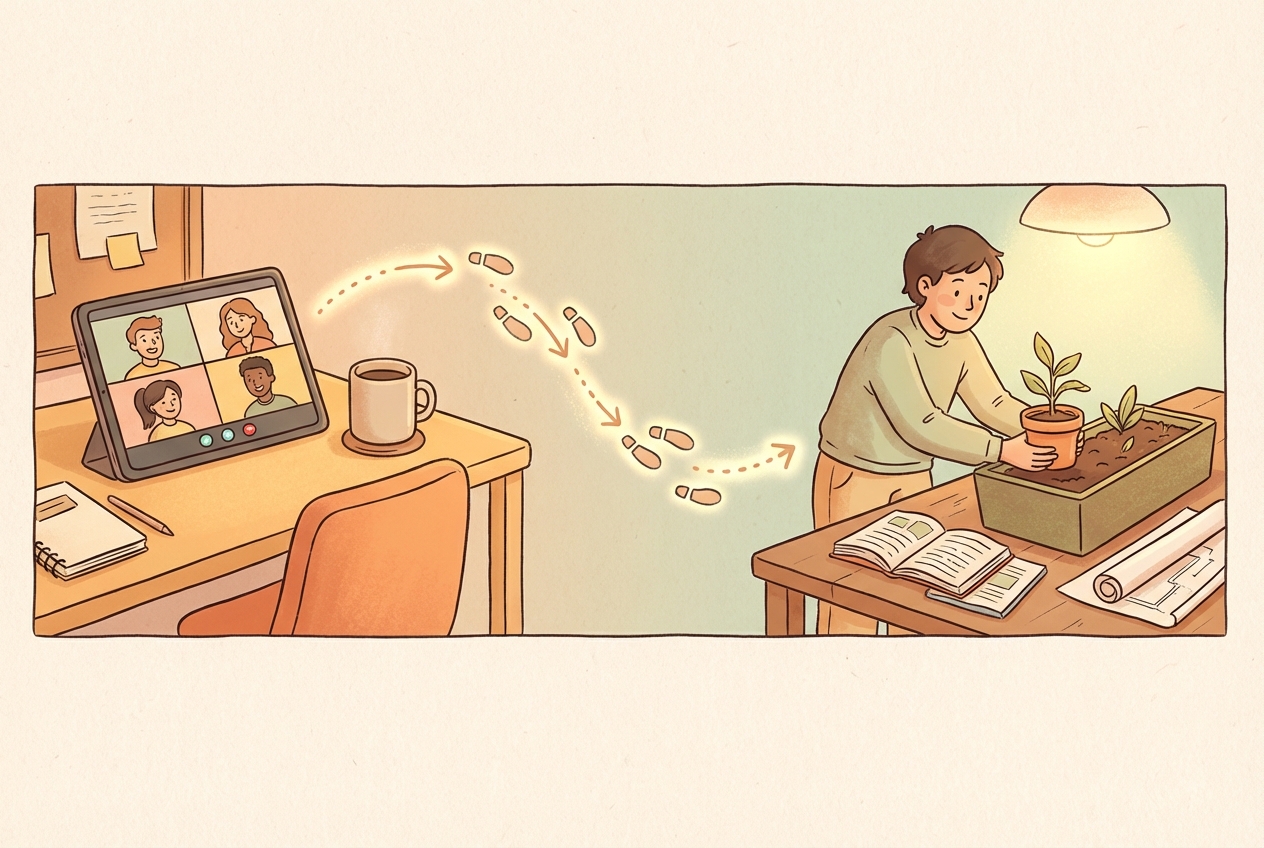
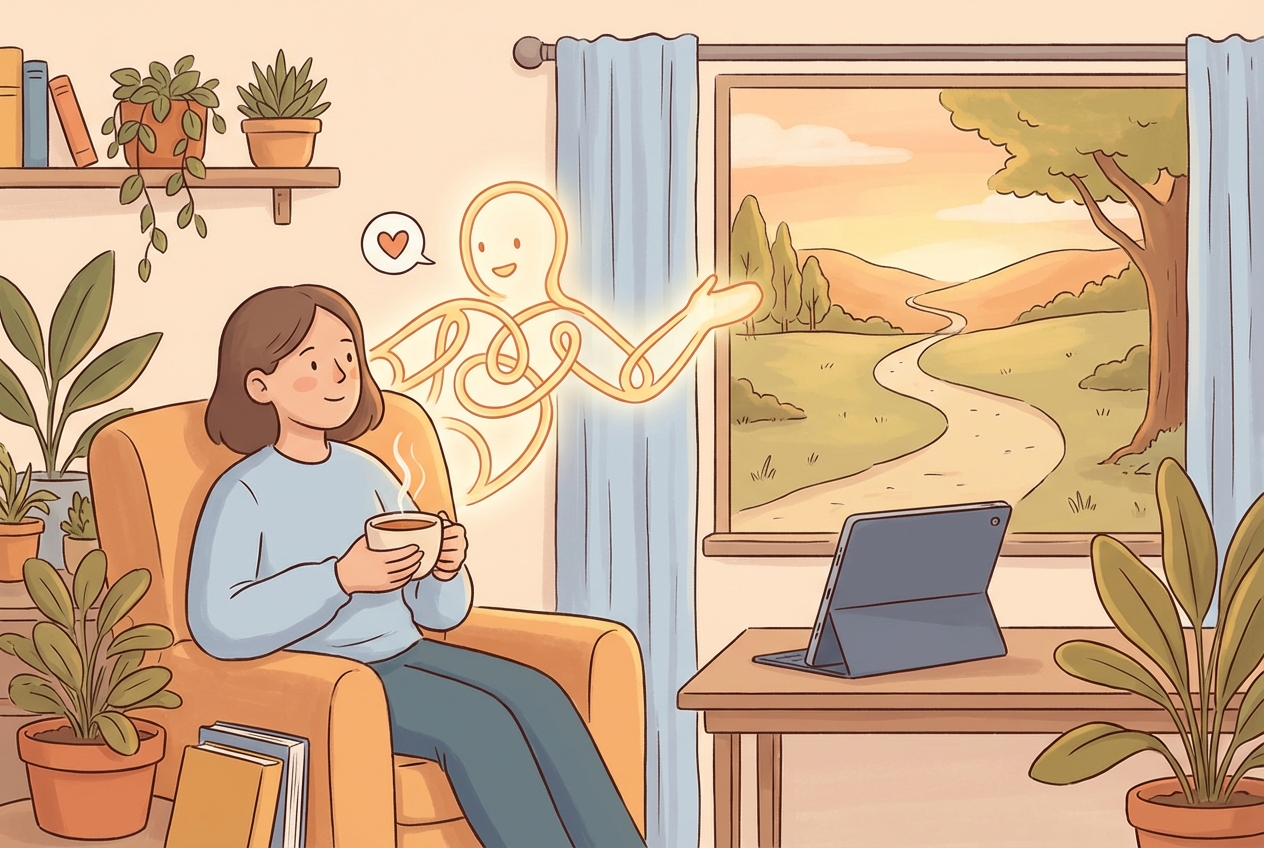
Mental health apps promised a revolution. Download, track your mood, maybe do a breathing exercise. For millions, these tools became digital Band-Aids: helpful but limited. The real shift is happening now, moving beyond apps toward conversational AI for emotional well-being. These aren't simple chatbots with scripted responses. They're sophisticated systems that listen, adapt, and respond with something approaching genuine understanding. Picture having access to a supportive presence at 3 AM when anxiety won't let you sleep. No judgment, no waiting lists, no insurance forms. This technology represents a fundamental change in how we approach mental health support. It's not replacing therapists. It's filling the massive gaps where professional help can't reach. The rise of conversational AI for emotional well-being marks a turning point in accessible mental healthcare.
Mental health technology has traveled an interesting path over the past decade. Early apps focused on passive data collection: mood logs, sleep trackers, symptom diaries. Users inputted information and received charts. The interaction was one-directional and often felt clinical.
The shift toward conversation changed everything. Instead of tapping buttons to rate your day, you can now describe it. You explain what happened, how you felt, what worried you. The AI responds with follow-up questions, reflections, and suggestions tailored to your specific situation.
Early apps required users to fit emotions into predefined categories
Conversational systems allow free expression in natural language
Response quality has improved dramatically through machine learning advances
User engagement rates are significantly higher with interactive formats
This evolution mirrors how human support actually works. We don't heal through checkboxes. We heal through expression, validation, and connection.
Natural language processing allows AI to understand context, tone, and emotional subtext. When you type "I'm fine," the system can recognize patterns suggesting you might not be. It picks up on word choice, sentence structure, and even typing speed.
Modern NLP models detect frustration, sadness, hope, and anxiety with surprising accuracy. They identify when someone needs encouragement versus when they need space to vent. This isn't perfect empathy, but it's far closer than any previous technology achieved.
The mental health system is broken for most people. Therapist shortages, insurance barriers, geographic limitations, and cultural stigma create massive access problems. Conversational AI addresses several of these obstacles directly.
Emotional crises don't follow business hours. A panic attack at midnight needs support at midnight. Traditional therapy can't offer this. AI companions can.
Immediate response eliminates dangerous waiting periods
Crisis detection algorithms can identify warning signs and suggest resources
Users report feeling less alone during difficult moments
Consistent availability builds trust and encourages regular check-ins
This constant presence matters most for people without strong support networks. For someone isolated by geography, circumstance, or social anxiety, an AI companion might be their only accessible option for emotional support.
Many people who need help won't seek it because of shame. They fear judgment from family, employers, or even healthcare providers. Talking to an AI removes this barrier entirely.
You can discuss anything without worrying about how you'll be perceived. There's no facial expression to read, no tone of voice to interpret. For issues people find especially difficult to discuss: trauma, addiction, sexuality, or relationship problems: this anonymity creates essential safety. The conversation exists only between you and the system. That privacy encourages honesty that might never emerge in face-to-face settings.
Effective mental health support requires more than friendly conversation. It needs structure and evidence-based approaches. The best conversational AI systems incorporate proven therapeutic methods.
CBT works by identifying and challenging unhelpful thought patterns. It's one of the most researched and effective approaches for anxiety and depression. Conversational AI adapts these techniques beautifully.
The AI helps users identify automatic negative thoughts
It guides them through examining evidence for and against these thoughts
Users practice reframing exercises in real-time conversations
Progress is tracked and techniques are reinforced over multiple sessions
A user might describe a work situation that left them feeling worthless. The AI walks them through CBT principles: What evidence supports this thought? What evidence contradicts it? What would you tell a friend in this situation? This structured approach delivers real therapeutic value.
Mindfulness practices and DBT skills translate well to conversational formats. The AI can guide breathing exercises, body scans, and grounding techniques through text or voice. It teaches distress tolerance skills when you're overwhelmed and emotional regulation strategies for ongoing challenges.
DBT's emphasis on validation pairs naturally with conversational AI. The system acknowledges your emotions as real and understandable while gently introducing coping strategies. This balance between acceptance and change mirrors what skilled human therapists provide.
Generic advice helps no one. Effective support requires understanding the individual: their history, triggers, coping styles, and goals. Modern conversational AI achieves this through sophisticated personalization.
The AI doesn't just read your words. It analyzes the emotional content behind them. Sentiment analysis identifies shifts in your mood across conversations. If you've been increasingly negative over several days, the system notices.
Responses adjust based on detected emotional state
Communication style adapts to user preferences
The system learns which approaches resonate with each individual
Timing and frequency of check-ins respond to identified needs
Someone who responds well to direct problem-solving gets different support than someone who needs extended validation first. The AI learns these preferences through interaction, becoming more helpful over time.
Early chatbots forgot everything between sessions. You'd explain your situation repeatedly. Modern systems maintain context across months or years of interaction. They remember your job stress, your relationship patterns, your progress on specific goals.
This continuity creates something resembling a relationship. The AI references past conversations appropriately. It notices when recurring issues resurface. It celebrates progress you've made. This memory transforms the experience from isolated interactions into ongoing support.
Powerful technology demands careful handling. Conversational AI for mental health raises significant ethical questions that developers and users must address.
Mental health conversations contain some of the most private information imaginable. Users share trauma, fears, relationship details, and thoughts they've never spoken aloud. Protecting this data is non-negotiable.
End-to-end encryption prevents unauthorized access
Clear data retention policies let users control their information
Anonymous usage options protect identity
Regular security audits identify vulnerabilities
Users should understand exactly how their data is stored, who can access it, and how long it's retained. Transparency builds the trust these systems require to function effectively.
AI companions aren't therapists. They can't diagnose conditions, prescribe medications, or provide the full range of human therapeutic connection. Over-reliance on AI support could delay necessary professional treatment.
Responsible systems include clear limitations messaging. They recognize when users need human intervention and provide appropriate referrals. They don't position themselves as replacements for professional care. The goal is augmentation, not substitution. AI fills gaps and provides support between sessions, but serious mental health conditions require human expertise.
The most promising path forward combines AI accessibility with human expertise. Therapists using AI tools can extend their reach dramatically. Clients get continuous support between appointments. Crisis intervention happens immediately while human follow-up is arranged.
This hybrid model addresses the fundamental problem: there aren't enough mental health professionals for everyone who needs help. AI handles routine check-ins, skill practice, and immediate support. Humans provide diagnosis, complex treatment, and the irreplaceable elements of human connection.
The rise of conversational AI for emotional well-being isn't about replacing human care. It's about ensuring that support exists when and where people need it. Technology that listens, understands, and responds with genuine helpfulness can transform lives. The mental health crisis won't be solved by apps alone. But conversational AI, thoughtfully developed and ethically deployed, represents a meaningful step toward a world where emotional support is truly accessible to everyone who needs it.