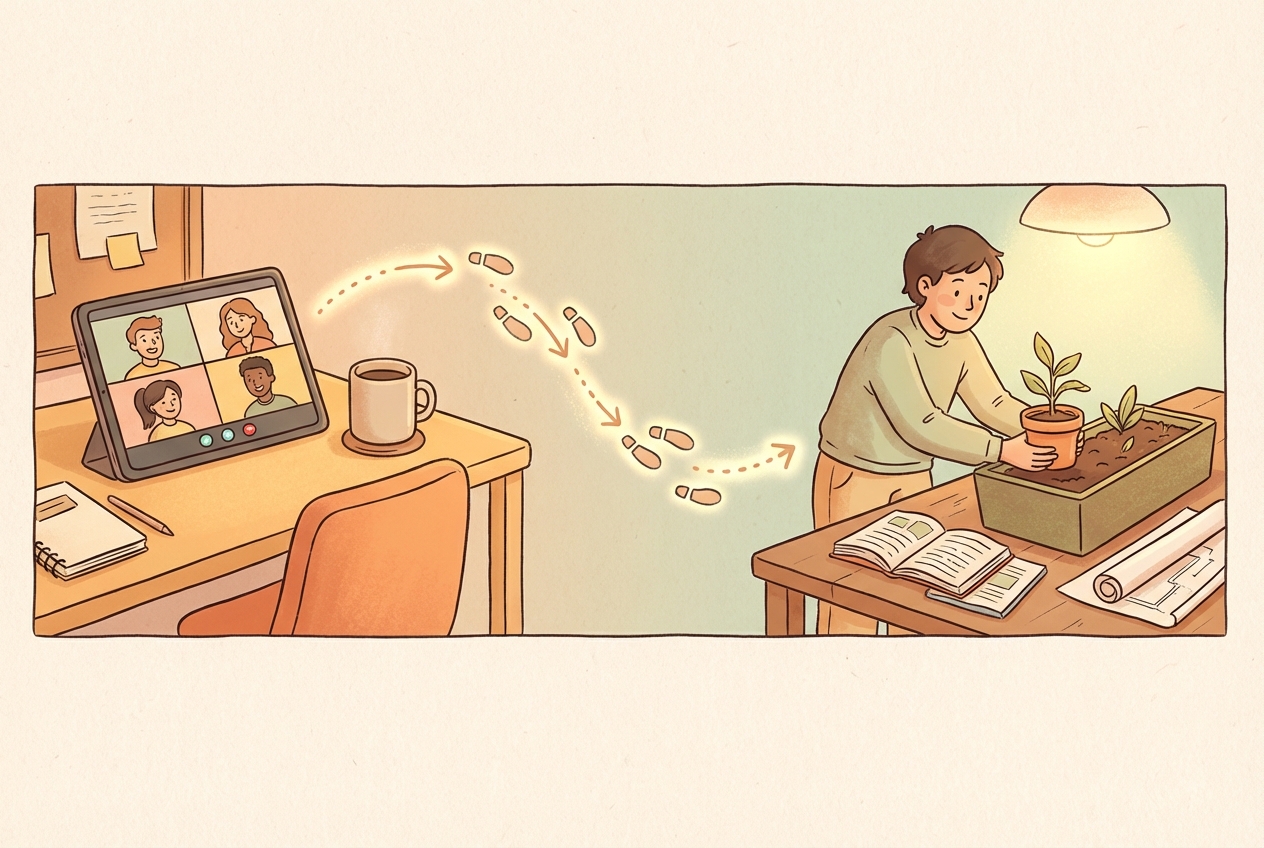

Most people assume meaningful personal change requires a therapist's office, a diagnosis, or years on a couch. That assumption sells short one of the most powerful tools you already possess: your own capacity for self-examination. Beyond therapy, self-guided reflection can transform your life in ways that surprise even the most skeptical minds. This isn't about replacing professional mental health support when you need it. It's about recognizing that daily, intentional introspection creates changes no weekly appointment can replicate. You carry your mind everywhere. Why not learn to work with it skillfully? The practice of turning attention inward, questioning your patterns, and sitting with uncomfortable truths builds psychological muscles that strengthen over time. Research backs this up. People who engage in regular reflective practices report higher life satisfaction, better relationships, and increased resilience during crises. The transformation happens gradually, then suddenly. One day you realize you're responding differently to old triggers, making choices aligned with your actual values, and understanding yourself with startling clarity.
Reflection isn't passive. It's an active engagement with your inner landscape that requires honesty, patience, and a willingness to be uncomfortable. True self-reflection means examining your thoughts, feelings, and behaviors with curiosity rather than judgment. You're not trying to fix yourself. You're trying to understand yourself.
Rumination traps you. Reflection frees you. The difference matters enormously. Rumination loops the same painful thoughts endlessly without resolution. It asks "why me?" and "what's wrong with me?" on repeat. Reflection, by contrast, moves forward. It asks "what happened?" and "what can I learn?" with genuine openness to answers.
Rumination focuses on problems without seeking solutions
Reflection examines experiences to extract meaning
Rumination increases anxiety and depression symptoms
Reflection builds self-awareness and emotional regulation
You'll know you're reflecting rather than ruminating when you feel slightly uncomfortable but also curious. Rumination feels like drowning. Reflection feels like swimming.
Your brain physically changes through repeated mental practices. Neuroplasticity means the neural pathways you use most often grow stronger. When you regularly engage in self-reflection, you strengthen circuits associated with metacognition and emotional regulation. Brain imaging studies show that people who practice mindful self-awareness have increased gray matter in the prefrontal cortex. This region handles decision-making, impulse control, and complex thinking. You're literally building a better brain through reflection.
The benefits of consistent reflective practice compound over time. Small insights accumulate into profound shifts in how you experience your life and relationships.
Emotional intelligence starts with self-awareness. You can't manage emotions you don't recognize. Regular reflection helps you identify emotional patterns before they hijack your behavior. You begin noticing the physical sensations that precede anger or anxiety. You catch yourself in defensive reactions earlier. Over time, the gap between stimulus and response widens. That gap is where freedom lives.
You recognize triggers before they escalate
You understand the difference between feeling and acting
You respond to others with greater empathy
You communicate needs more clearly
Many people drift through life pursuing goals they inherited rather than chose. Reflection strips away external expectations and reveals what genuinely matters to you. Your values become clearer when you examine why certain experiences feel meaningful and others feel hollow. Purpose emerges not from grand revelations but from noticing patterns in what energizes you.
Patterns persist because they operate below conscious awareness. Reflection brings them into the light. You start seeing the connection between childhood experiences and adult reactions. You notice how certain relationships repeat familiar dynamics. Awareness alone doesn't change patterns, but change is impossible without it. Once you see a pattern clearly, you gain the power to interrupt it.
Knowing reflection matters isn't enough. You need concrete methods that fit your life. These techniques range from five-minute practices to deeper explorations.
Blank pages intimidate most people. Prompts provide structure that makes reflection accessible. Effective journaling prompts push you slightly beyond comfortable self-narratives.
What am I avoiding right now, and why?
When did I last feel fully alive? What was happening?
What would I do differently if I weren't afraid of judgment?
Where am I being dishonest with myself?
Write without editing for at least ten minutes. The goal isn't polished prose. It's honest exploration.
Socrates believed wisdom came through questioning assumptions. Apply this to your own mind. When you notice a strong reaction or belief, interrogate it gently. Ask yourself: "Is this actually true? How do I know? What evidence contradicts this? What would someone who disagrees say?" This method reveals how many of your certainties rest on shaky foundations. It creates intellectual humility and opens space for growth.
Your body holds information your conscious mind misses. Body scanning involves systematically noticing physical sensations from head to toe without trying to change them. Tension in your shoulders might signal unexpressed frustration. A tight chest might indicate anxiety you've been ignoring. This practice connects you to embodied wisdom that pure thinking can't access.
Everyone encounters obstacles to consistent reflective practice. Anticipating these barriers helps you move through them.
Your inner critic will show up during reflection. It will tell you that your insights are obvious, your problems are your fault, and self-examination is self-indulgent. Expect this voice. Name it when it appears. You might even thank it for trying to protect you, then return to curious observation. The critic loses power when you stop believing it speaks truth.
Notice critical thoughts without arguing with them
Return attention to observation rather than judgment
Treat yourself with the kindness you'd offer a friend
Remember that awareness itself is progress
You don't need hours. You need consistency. Five minutes of genuine reflection beats an hour of distracted journaling. Attach reflection to existing habits. Reflect during your morning coffee. Use your commute for mental review. The obstacle isn't time. It's priority. What you prioritize, you find time for.
Transformation resists easy measurement, but certain markers indicate progress. You'll notice you recover from setbacks faster. Old triggers lose their charge. Relationships improve because you're responding rather than reacting. You make decisions more confidently because you understand your values clearly. Keep a simple log of insights and changes. Review it monthly. The cumulative evidence of growth motivates continued practice. Self-guided reflection transforms your life not through dramatic breakthroughs but through steady accumulation of self-knowledge.
Insight without action is entertainment. The goal of reflection isn't to understand yourself better as an end in itself. It's to live more fully aligned with who you actually are. Bridge the gap between insight and action by making specific commitments after reflective sessions. "I notice I withdraw when criticized" becomes "I will pause and ask clarifying questions before withdrawing." Start small. One behavioral change at a time. Test your insights in real situations and observe results. Adjust based on what you learn. This creates a feedback loop where reflection informs action, and action generates new material for reflection. The practice becomes self-sustaining. Your life becomes the laboratory where you test and refine your understanding. This ongoing experiment in self-knowledge offers something therapy alone cannot: constant access to your own wisdom, available whenever you choose to turn inward. The transformation you seek isn't waiting in someone else's office. It's waiting in the quiet moments when you finally decide to pay attention.