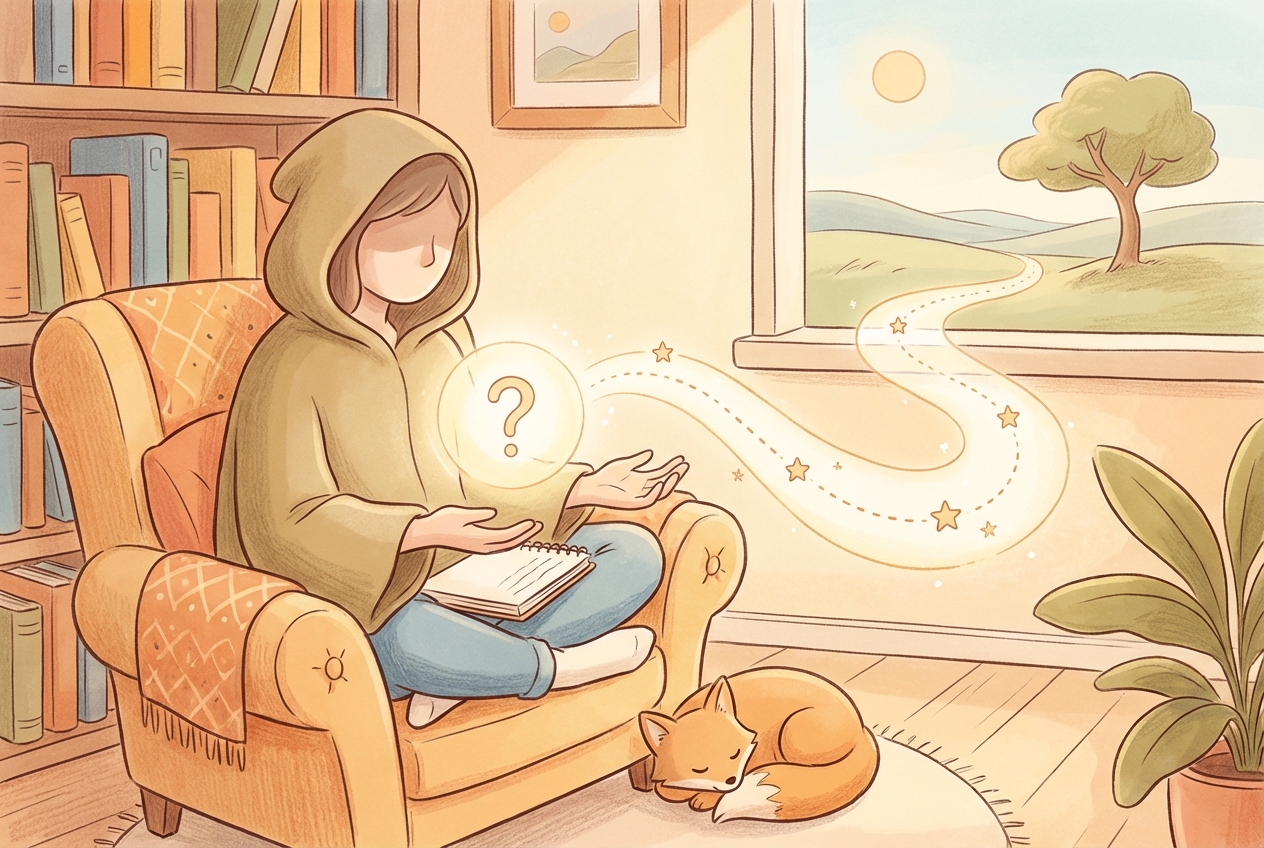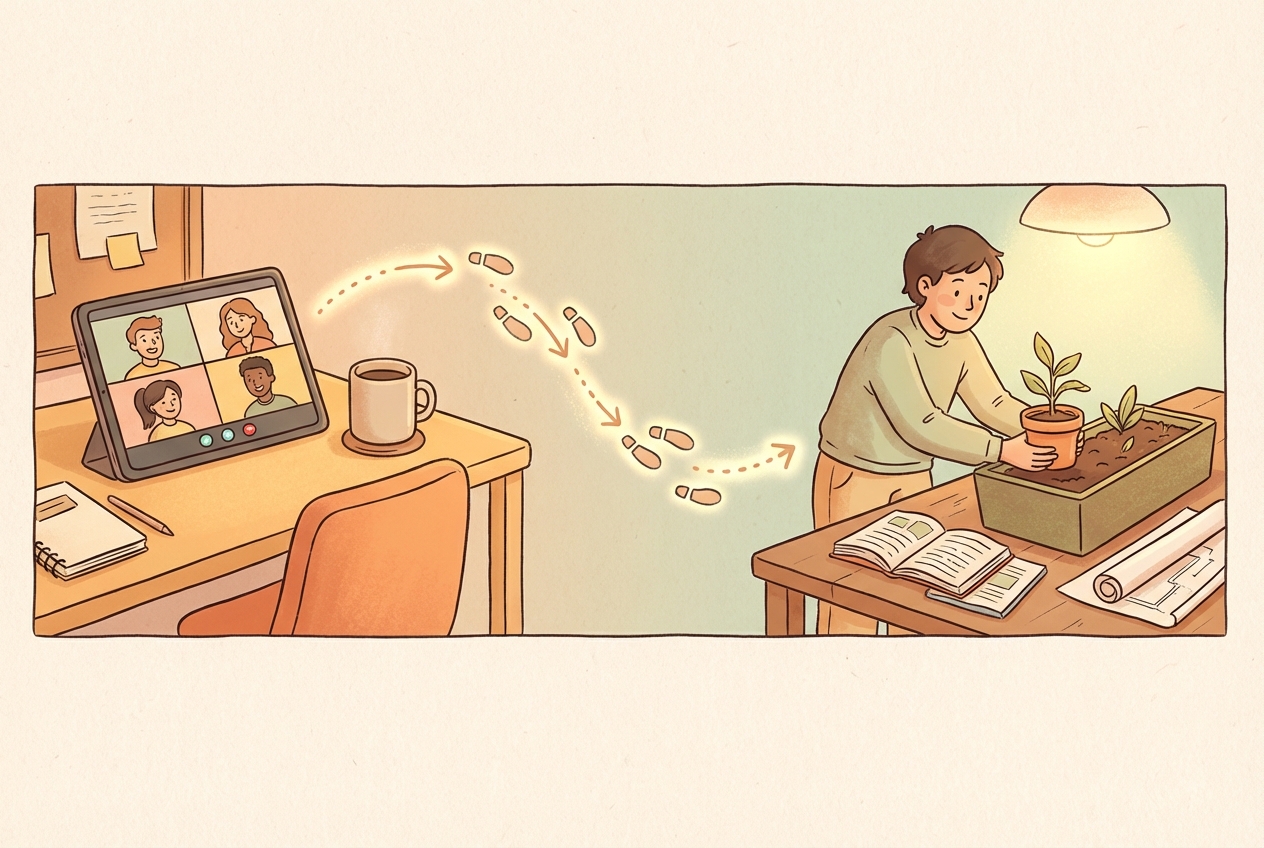

You're your own harshest critic. That voice in your head that catalogs every mistake, amplifies every flaw, and whispers that you're not enough - it's exhausting. But here's what most people miss: the antidote isn't positive thinking or higher self-esteem. It's self-compassion. Mastering self-compassion creates a path to inner peace and resilience that actually sticks. Unlike fleeting confidence boosts, self-compassion doesn't depend on external validation or success. It's available to you in your worst moments, not just your best. Research from Dr. Kristin Neff at the University of Texas shows that self-compassionate people experience less anxiety, depression, and stress. They bounce back faster from setbacks. They're more motivated, not less. The practice isn't about letting yourself off the hook or lowering your standards. It's about treating yourself with the same kindness you'd offer a struggling friend. This shift changes everything - from how you handle failure to how you show up in relationships. Your journey to inner peace and resilience starts with understanding what self-compassion actually means.
Self-compassion sounds soft. It isn't. It requires courage to face your pain directly instead of numbing it, avoiding it, or drowning in it. The practice involves acknowledging suffering while responding with warmth rather than judgment.
Dr. Neff's research identifies three core components that work together. When one is missing, you're not practicing true self-compassion. You might be wallowing in self-pity or disconnecting from your emotions entirely.
Mindfulness means observing your thoughts and feelings without over-identifying with them. You notice "I'm feeling anxious" rather than becoming anxiety itself. This creates space between you and your experience.
Self-kindness replaces the harsh inner critic with understanding. When you fail, you speak to yourself gently. You acknowledge the difficulty without piling on blame.
Common humanity reminds you that suffering is universal. Everyone fails. Everyone feels inadequate sometimes. Your struggles connect you to others rather than isolating you.
These three elements form a complete practice:
Mindfulness prevents denial and rumination
Self-kindness provides comfort and support
Common humanity reduces shame and isolation
Self-esteem requires feeling special or above average. It depends on success and comparison. When you fail, self-esteem crashes. Self-compassion remains constant because it doesn't require being better than others.
Self-pity is self-focused and isolating. It exaggerates your problems and ignores others' suffering. Self-compassion acknowledges pain while maintaining perspective.
The distinction matters because self-pity keeps you stuck while self-compassion moves you forward.
Your inner critic developed for a reason. It likely tried to protect you from rejection, failure, or disappointment. But this protective mechanism often causes more harm than the threats it guards against.
Rewiring doesn't mean silencing the critic entirely. It means changing the relationship. You can acknowledge the critic's concerns without accepting its harsh delivery.
Most people don't notice their self-talk. It runs constantly in the background like elevator music. The first step is tuning in. What do you say to yourself when you make a mistake?
Common patterns include:
Catastrophizing: assuming the worst outcome
Personalizing: blaming yourself for things beyond your control
All-or-nothing thinking: seeing situations as complete success or total failure
Mind-reading: assuming others judge you negatively
Track your self-talk for a week. Write down the critical thoughts that arise. You'll likely notice repetitive themes and triggers.
Reframing isn't about toxic positivity. You don't pretend failures feel good. You acknowledge the disappointment while finding the useful information within it.
Ask yourself: What would I say to a friend in this situation? Most people are far kinder to others than themselves. Apply that same standard internally.
A missed deadline becomes data about your workload or planning process. A rejected pitch reveals what resonates with your audience. Each failure contains information you can use.
Self-compassion isn't a one-time decision. It's a skill you build through consistent practice. Like physical fitness, it requires regular training to develop strength.
Start small. Five minutes daily creates more change than an hour once a week. Consistency matters more than duration.
Loving-kindness meditation directly cultivates compassion. You start by directing warm wishes toward yourself, then extend them outward to others. The practice literally changes brain structure over time.
A simple practice takes five minutes:
Sit comfortably and close your eyes
Place a hand on your heart
Repeat phrases like "May I be safe, may I be healthy, may I live with ease"
Notice any resistance without judgment
Extend the same wishes to someone you love, then to a neutral person, then to someone difficult
Apps like Insight Timer offer free guided versions. Dr. Neff's website provides specific self-compassion meditations.
Journaling externalizes your thoughts. Once they're on paper, you can examine them with distance. Compassionate journaling adds a specific framework.
Write about a situation that triggered self-criticism. Describe what happened factually. Then respond to yourself from three perspectives:
Mindfulness: acknowledge the pain without exaggeration
Common humanity: remind yourself that others experience similar struggles
Self-kindness: write what a caring friend would say
This practice takes ten minutes and creates lasting shifts in your internal dialogue.
Self-compassion is easiest to practice when things are going well. The real test comes during crisis. That's also when you need it most.
Difficult times naturally trigger the inner critic. You might blame yourself for circumstances beyond your control. Self-compassion provides an anchor when everything feels chaotic.
Burnout often stems from pushing through without acknowledging your limits. Self-compassion means recognizing when you're depleted. It means resting without guilt.
Signs you need to intervene include:
Chronic fatigue that sleep doesn't fix
Cynicism about work you once enjoyed
Reduced effectiveness despite increased effort
Physical symptoms like headaches or digestive issues
Self-compassionate responses include reducing commitments, asking for help, and accepting that you're human. These aren't signs of weakness. They're signs of wisdom.
Boundaries protect your energy and mental health. Many people struggle to set them because they fear disappointing others. Self-compassion reframes boundaries as necessary self-care.
You can say no without lengthy explanations. You can protect your time without apologizing excessively. You can prioritize your needs without becoming selfish.
Start with small boundaries. Leave work on time one day a week. Decline one optional commitment. Notice how it feels. Build from there.
Initial enthusiasm fades. The real challenge is maintaining your practice over months and years. This requires understanding the obstacles and building systems to overcome them.
Self-compassion isn't a destination you reach. It's a direction you travel. Some days you'll practice skillfully. Other days you'll forget entirely. Both are normal.
Many people resist self-compassion because they fear it will make them weak or complacent. Research shows the opposite. Self-compassionate people are more motivated and resilient, not less.
Other common barriers include:
Feeling you don't deserve kindness
Worry that self-compassion means lowering standards
Discomfort with the vulnerability required
Cultural messages that equate self-criticism with responsibility
When resistance arises, practice compassion toward the resistance itself. Don't fight it. Acknowledge it with curiosity.
Progress in self-compassion isn't always linear. You might notice changes in unexpected areas first. Perhaps you recover faster from criticism. Maybe you're less defensive in conversations.
Track these shifts:
How quickly do you bounce back from setbacks?
How often does your inner critic dominate your thoughts?
How comfortable are you asking for help?
How do you speak to yourself when you're alone?
Dr. Neff offers a free self-compassion assessment on her website. Take it periodically to measure your growth.
Self-compassion transforms how you relate to yourself, others, and life's inevitable challenges. It's not about feeling good all the time. It's about responding to difficulty with wisdom and care.
Start today with one small practice. Put a hand on your heart when you notice self-criticism. Speak to yourself as you would a friend. Remember that everyone struggles.
The path to inner peace and resilience through self-compassion isn't complicated. It's simple but not easy. Your inner critic has years of practice. Give your compassionate voice time to strengthen.
You deserve the kindness you so freely give others. That's not a platitude. It's a practice. Begin now.