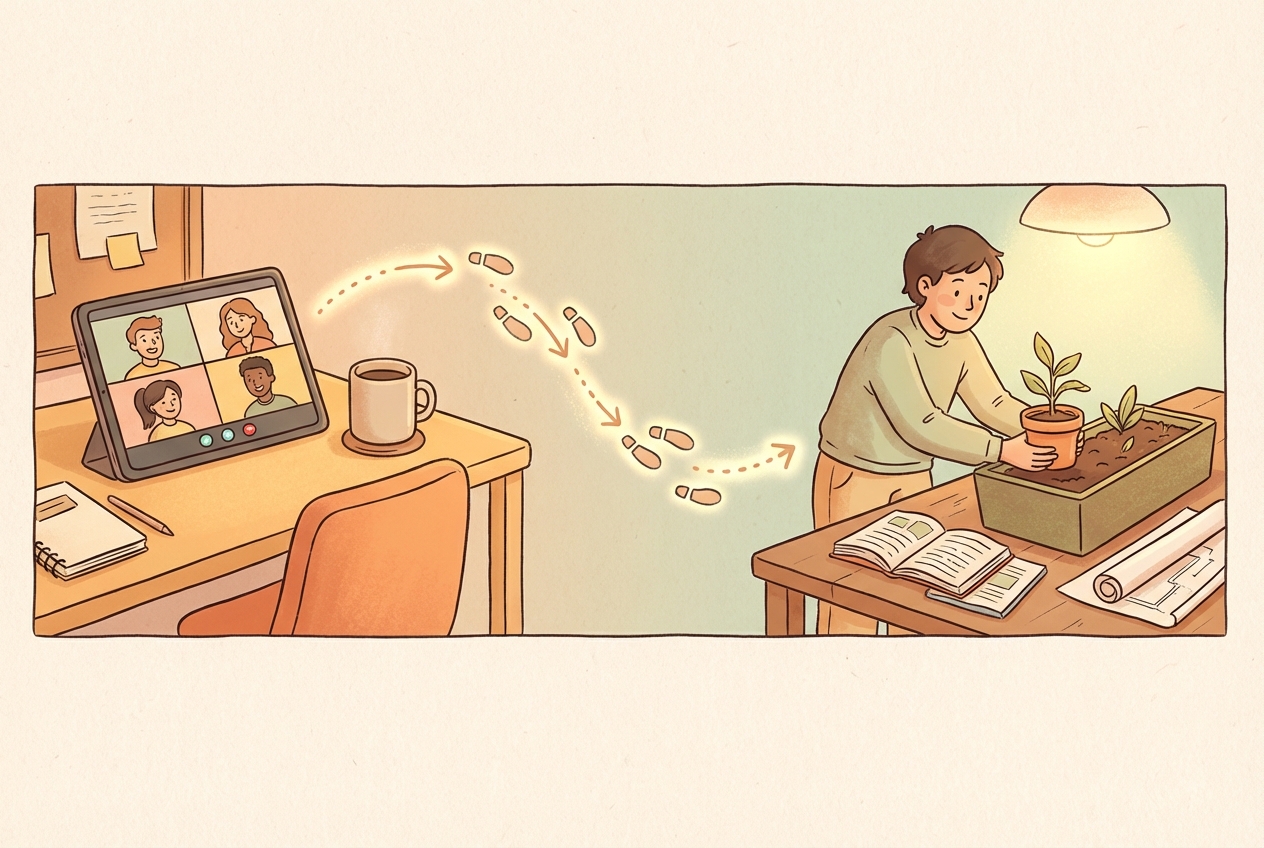
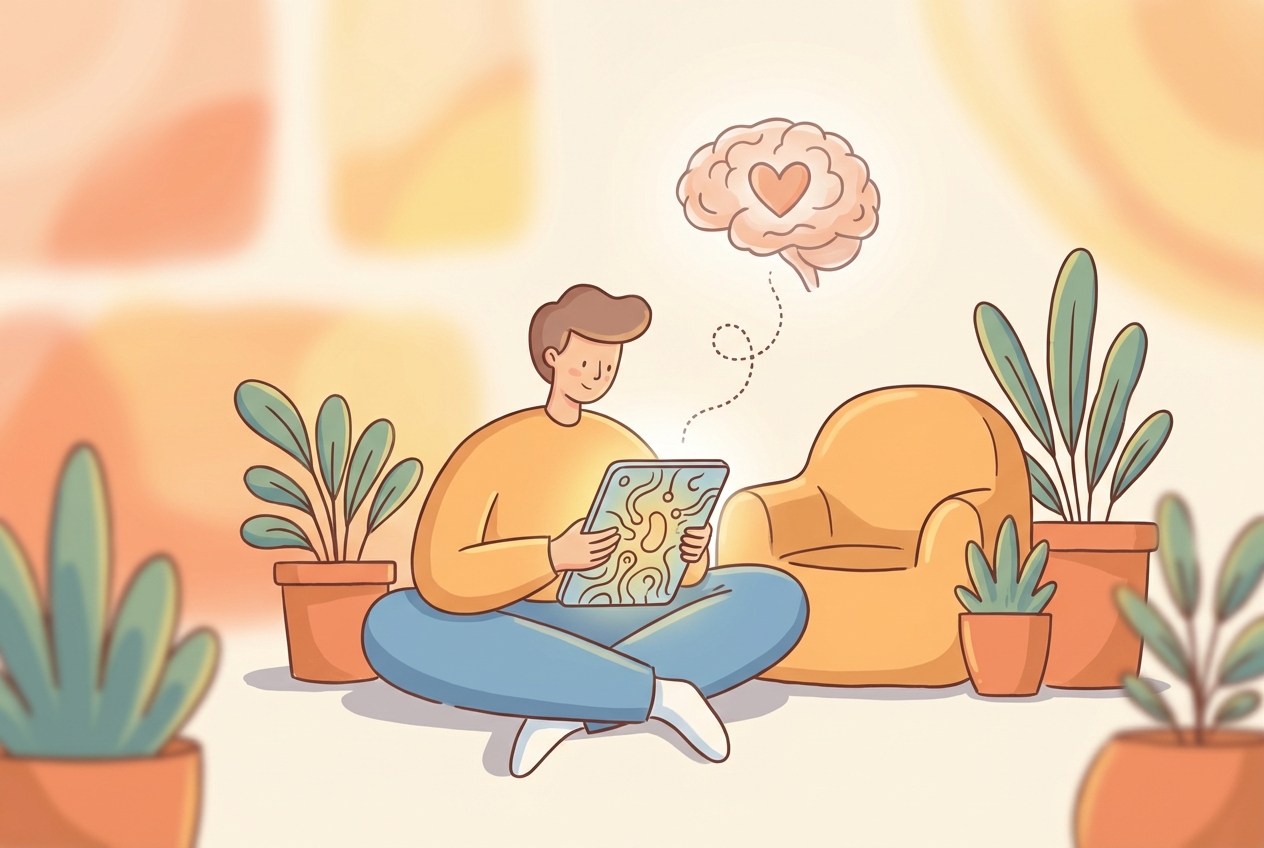
A young woman in rural Kenya opens her phone at 2 AM, unable to sleep. Her racing thoughts have kept her awake for weeks. There's no therapist within 200 kilometers. But tonight, she's talking to an AI companion that remembers her previous conversations, recognizes her anxiety patterns, and guides her through a breathing exercise tailored to her specific triggers. By morning, she's slept for the first time in days.
This scenario isn't science fiction. It's happening right now, and it's accelerating. The question of whether AI represents the future of personalized mental health support has shifted from theoretical debate to practical reality. By 2026, we're witnessing a fundamental transformation in how people access, receive, and benefit from psychological care. The technology has matured beyond simple chatbots into sophisticated systems that adapt to individual needs in ways that seemed impossible just three years ago.
Mental health services have long struggled with a cruel paradox: demand far exceeds supply. AI doesn't replace human connection. It extends the reach of care to millions who would otherwise receive nothing at all.
Mental health apps have existed for over a decade. What's different now is the sophistication of the underlying technology and its integration into clinical workflows. AI systems in 2026 don't just respond to keywords. They understand context, track patterns over time, and adjust their approach based on what works for each individual user.
Early mental health chatbots followed rigid scripts. They recognized certain phrases and delivered pre-written responses. Users quickly hit walls where the technology couldn't follow their actual concerns.
Large language models changed this equation entirely. Modern AI companions can:
Maintain coherent conversations across multiple sessions
Remember specific details about a user's life circumstances
Recognize subtle shifts in language that suggest mood changes
Adapt their communication style to match user preferences
The leap from scripted responses to genuine conversational understanding has made AI support feel less mechanical. Users report feeling heard rather than processed through a decision tree.
The World Health Organization estimates that 75% of people with mental health conditions in low and middle-income countries receive no treatment. The shortage isn't just about money. It's about geography, stigma, and available professionals.
AI addresses each barrier differently. Someone in a remote area can access support through any smartphone. The private nature of app-based interaction reduces stigma. And AI scales infinitely, never running out of appointment slots.
Countries like India and Brazil have seen rapid adoption of AI mental health tools. Usage data shows people engaging at hours when traditional services wouldn't be available, suggesting AI captures demand that would otherwise go unmet.
Generic advice helps no one. The power of AI lies in its ability to learn what works for specific individuals and adjust accordingly.
Wearable devices now feed continuous data streams into mental health AI systems. Sleep patterns, heart rate variability, physical activity, and even typing speed on smartphones all provide signals about psychological state.
These systems can detect warning signs before a crisis develops:
Disrupted sleep patterns often precede depressive episodes
Changes in social activity correlate with anxiety increases
Voice analysis can identify stress markers in speech
The goal isn't surveillance. It's early intervention. When an AI notices concerning patterns, it can prompt check-ins, suggest coping strategies, or recommend reaching out to human support before things escalate.
CBT remains one of the most effective treatments for anxiety and depression. Traditional delivery requires scheduled sessions with trained therapists. AI can deliver CBT principles in micro-doses throughout daily life.
When a user reports a stressful situation, the AI doesn't just offer generic reassurance. It draws on that person's history to suggest specific cognitive reframing techniques that have worked before. It tracks which approaches lead to improvement and which fall flat. Over time, the system builds a personalized toolkit for each user.
AI isn't just for direct patient interaction. It's transforming how human therapists work.
Therapists see clients for perhaps one hour per week. AI can monitor the other 167 hours. This creates opportunities for collaboration between human and artificial intelligence.
Between sessions, AI tools can:
Track mood fluctuations and identify triggers
Note medication adherence patterns
Flag concerning language that suggests increased risk
Summarize behavioral patterns for therapist review
Clinicians report that AI-generated insights help them use session time more effectively. Instead of spending twenty minutes catching up on the week, they can address specific issues the AI has identified.
Human clinicians carry unconscious biases. Research shows that identical symptoms often receive different diagnoses based on patient demographics. AI systems, when properly trained, can provide a more consistent baseline.
Pattern recognition across large datasets helps identify conditions that might be missed or misattributed. An AI might notice that a patient's symptoms align more closely with ADHD than depression, prompting further evaluation.
This doesn't replace clinical judgment. It supplements it with data-driven perspective that humans alone cannot provide.
The same features that make AI mental health support powerful also create serious risks.
Personalized AI requires personal data. Lots of it. Every conversation, every mood log, every biometric reading becomes part of a detailed psychological profile. The question of who owns and controls this information has no easy answer.
Key concerns include:
Data breaches exposing sensitive mental health information
Insurance companies accessing psychological profiles
Employers gaining insight into employee mental states
Government surveillance of vulnerable populations
Regulatory frameworks lag behind technological capabilities. Users must weigh the benefits of personalized support against real privacy risks. Some platforms now offer local processing options where data never leaves the user's device, though this limits certain features.
When AI optimizes for engagement metrics, it may not optimize for actual wellbeing. A system designed to keep users returning might inadvertently foster dependency rather than building genuine coping skills.
There's also the question of what gets lost when mental health becomes a data problem. Human suffering has meaning beyond pattern recognition. Grief, existential anxiety, and identity struggles don't always reduce to symptoms requiring intervention.
Responsible AI development requires ongoing attention to these tensions. The technology should support human flourishing, not just manage symptoms efficiently.
Skeptics argue that AI can never provide genuine therapeutic connection. They have a point, but it's more nuanced than it appears.
Research on therapeutic alliance, the relationship between client and therapist, consistently shows it predicts treatment outcomes better than specific techniques. Can AI create something resembling alliance?
User studies reveal surprising findings. Many people report feeling comfortable sharing things with AI that they wouldn't tell human therapists. The absence of judgment, the constant availability, and the lack of social consequences all lower barriers to disclosure.
This doesn't mean AI connection equals human connection. It means AI offers a different kind of support that serves different needs. Some people benefit most from human relationship. Others find AI accessibility more valuable than human warmth they can't access.
The future likely involves hybrid models where AI handles routine support and monitoring while humans provide deeper relational work. Neither replaces the other. Both have roles to play.
The outlook for AI in personalized mental health support by 2026 and beyond points toward integration rather than replacement. AI excels at availability, consistency, pattern recognition, and scale. Humans excel at meaning-making, complex judgment, and genuine relationship.
The most effective systems will combine both. AI can extend the reach of limited human resources, provide support between sessions, and catch warning signs that busy clinicians might miss. Human therapists can handle nuanced situations, provide the irreplaceable experience of being truly seen, and make judgment calls that algorithms shouldn't attempt.
For individuals seeking mental health support, AI offers options that didn't exist a few years ago. If you're struggling and can't access traditional care, an AI companion might provide meaningful help. If you're already in therapy, AI tools might enhance your progress between sessions.
The technology isn't perfect. Privacy concerns are real. The risk of over-reliance exists. But for millions of people worldwide who currently receive no mental health support at all, AI represents something genuinely new: accessible, personalized care that meets them where they are.
The future of mental health isn't AI versus humans. It's AI and humans, working together, reaching more people than either could alone.