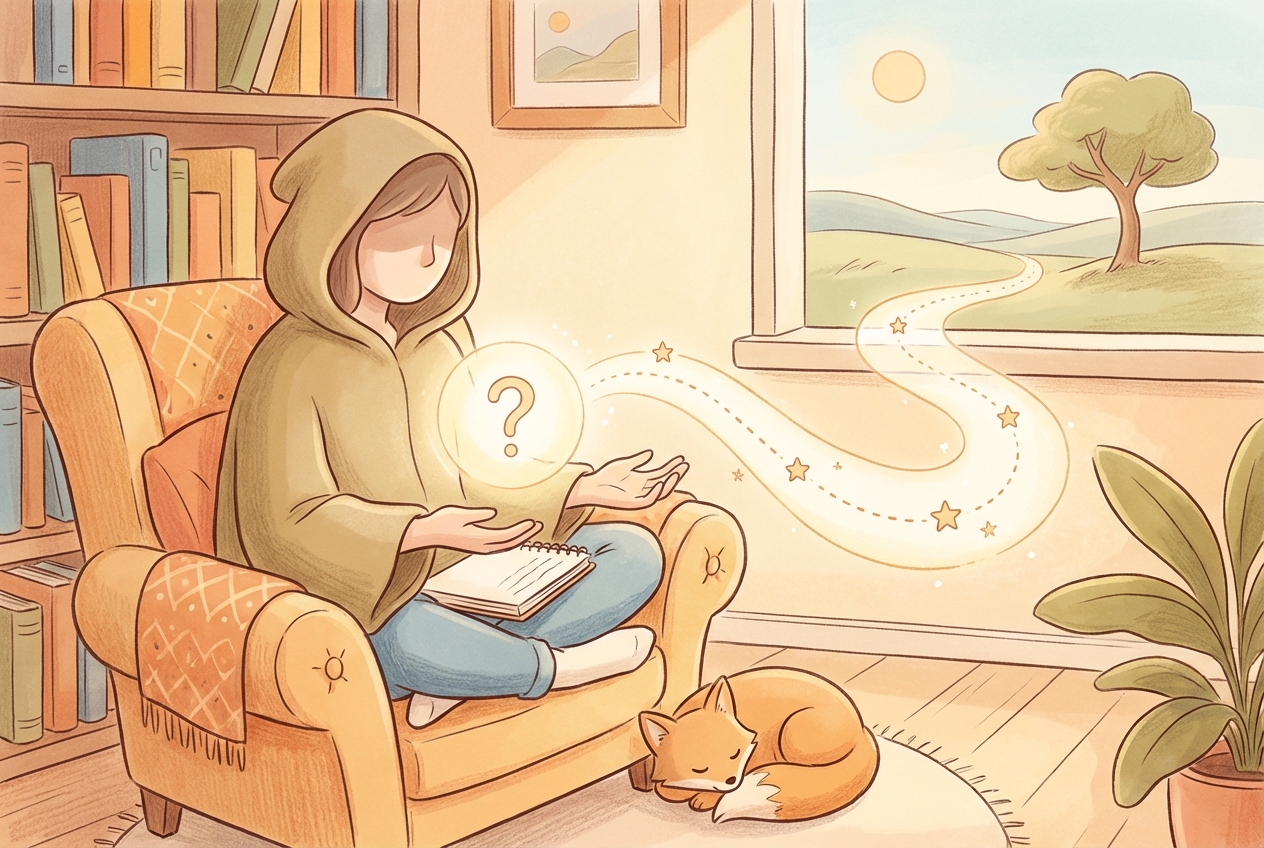
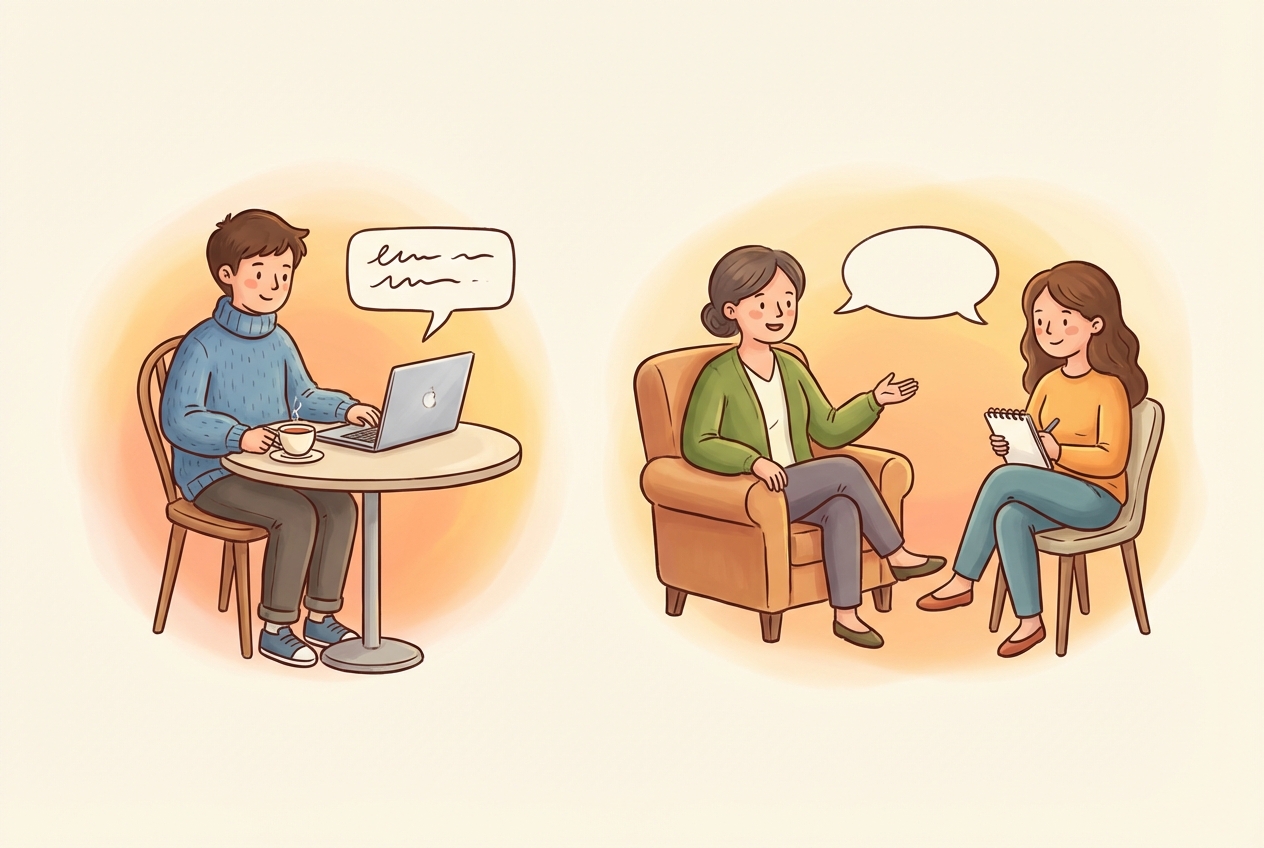
Mental health support looks different for everyone. Some people thrive in a therapist's office, settling into a leather chair for weekly sessions. Others prefer typing their thoughts at 2 AM when sleep won't come. The question of whether Cohera fits your needs depends on understanding what chat-based support actually offers versus traditional therapy. Both paths have genuine value. Neither is universally better. Your circumstances, preferences, and mental health goals determine which approach serves you best.
Therapy has transformed dramatically over the past decade. The stereotype of lying on a couch while a silent therapist takes notes feels almost quaint now. Digital platforms have opened doors that remained closed for generations.
Consider the barriers that kept people from seeking help: cost, stigma, geography, scheduling conflicts, and simple discomfort with face-to-face vulnerability. Chat-based mental health support addresses several of these obstacles directly. You don't need to find parking, sit in a waiting room, or explain to your boss why you need two hours off every Tuesday.
This shift isn't about replacing human connection. It's about expanding access. Rural communities now have options beyond the single overworked counselor serving three counties. Night-shift workers can get support during their actual waking hours. People with social anxiety can start their mental health journey without the added stress of in-person interaction.
The technology behind platforms like Cohera represents years of development in understanding how meaningful support can happen through text. Chat therapy isn't a lesser version of "real" therapy. It's a different modality with its own strengths and limitations.
Cohera operates on principles that differ fundamentally from traditional therapy models. Understanding these differences helps you assess whether this approach matches your needs.
Traditional therapy happens in scheduled blocks. You wait for your appointment, spend 45-60 minutes in session, then return to your life until next week. Cohera's chat-based model offers something different: support when you actually need it.
Imagine having a panic attack at midnight. With traditional therapy, you'd wait until your next session or call a crisis line. Chat-based support lets you reach out immediately. This accessibility matters most for:
Acute anxiety moments that don't qualify as emergencies
Processing difficult situations as they happen
Building coping skills through real-time practice
Maintaining momentum between traditional therapy sessions
Response times vary, but the fundamental promise is availability. Your support doesn't operate on banker's hours.
Cohera uses artificial intelligence to provide consistent, evidence-based responses. This isn't about replacing human warmth with cold algorithms. Modern AI can recognize emotional patterns, suggest coping strategies, and maintain supportive conversations.
The AI doesn't get tired, frustrated, or distracted. It won't have a bad day that affects your session quality. Every interaction draws from extensive training in therapeutic techniques and communication patterns.
Some people find AI support easier to open up to. There's no fear of judgment, no concern about burdening someone, no social dynamics to manage. You can be completely honest about thoughts you might hesitate to share with another human.
Traditional therapy costs between $100-250 per session in most markets. Weekly sessions add up to $400-1000 monthly, often without insurance coverage. Many people simply can't sustain that expense.
Chat-based platforms typically operate on subscription models. Monthly costs often fall below a single traditional therapy session. This price difference isn't about cutting corners on care. It's about leveraging technology to reduce overhead while maintaining quality support.
Chat support isn't trying to replace traditional therapy entirely. In-person work offers irreplaceable benefits for certain situations and preferences.
Human therapists read your body language, notice changes in your appearance, and respond to energy shifts that text can't capture. They see you fidget when certain topics arise. They notice when you're not sleeping well. They pick up on hesitation before you've typed a single word.
Physical presence creates a container for difficult emotions. The therapy room becomes a safe space, separate from daily life. This separation helps some people access feelings they'd otherwise suppress.
Eye contact, silence, and shared physical space all contribute to the therapeutic relationship. These elements can accelerate trust-building and emotional processing in ways that chat environments can't fully replicate.
Licensed therapists can diagnose mental health conditions, coordinate with psychiatrists, and provide documentation for disability claims or workplace accommodations. Chat-based support typically can't offer these clinical services.
For crisis situations involving self-harm, suicidal ideation, or psychotic symptoms, in-person care remains essential. Trained clinicians can assess safety risks, coordinate emergency services, and provide immediate intervention that chat platforms aren't designed to handle.
If you need medication management, formal diagnosis, or intensive treatment for severe conditions, traditional therapy provides the clinical framework that chat support can't match.
Privacy concerns cut both ways. Traditional therapy involves face-to-face contact, waiting rooms, and potential encounters with people you know. Your car in the parking lot signals your presence. Insurance claims create records.
Chat-based support offers anonymity that in-person therapy can't match. You can engage from anywhere, using whatever name you choose. No one sees you walk through a door labeled "Mental Health Services."
However, digital platforms create their own privacy considerations. Data storage, encryption standards, and company policies all matter. Cohera maintains strict privacy protocols, but you should understand how your information is handled. Review terms of service and data practices before sharing sensitive information on any platform.
The right choice depends on what you're actually dealing with and what kind of support serves those needs best.
Daily stress, relationship friction, work anxiety, and general life navigation respond well to chat-based support. These concerns benefit from:
Immediate access when stressors arise
Consistent coping strategy reminders
Regular check-ins without scheduling hassles
Low-pressure communication format
Deep-seated trauma, childhood wounds, and complex psychological patterns often require the depth that traditional therapy provides. EMDR, somatic experiencing, and other trauma-focused modalities need in-person facilitation. The therapeutic relationship itself becomes a healing tool in ways that chat can't replicate.
Be honest about what you're working through. Chat support handles a lot, but some work genuinely requires face-to-face professional care.
Your life circumstances matter. Single parents, shift workers, frequent travelers, and people with mobility limitations face real barriers to traditional therapy attendance. Chat support removes these obstacles.
If you can reliably attend weekly appointments and value that structure, traditional therapy's scheduled format might serve you well. If your schedule is chaotic, unpredictable, or simply incompatible with office hours, chat-based options provide consistency that traditional models can't offer.
Here's what many people miss: this isn't an either-or decision. The most effective approach often combines both modalities.
Use traditional therapy for deep work, diagnosis, and processing major life events. Use chat support for daily maintenance, immediate coping needs, and reinforcing what you learn in session. Think of it like physical health: you see a doctor for checkups and serious concerns, but you don't wait for appointments to take vitamins or stretch.
Some people start with chat support to build comfort with mental health care, then transition to traditional therapy when they're ready. Others maintain long-term relationships with therapists while using chat platforms for between-session support.
The question isn't really whether Cohera is right for you. It's how chat-based support might fit into your overall mental health strategy. Maybe it's your primary resource. Maybe it's a supplement. Maybe it's a starting point toward deeper work.
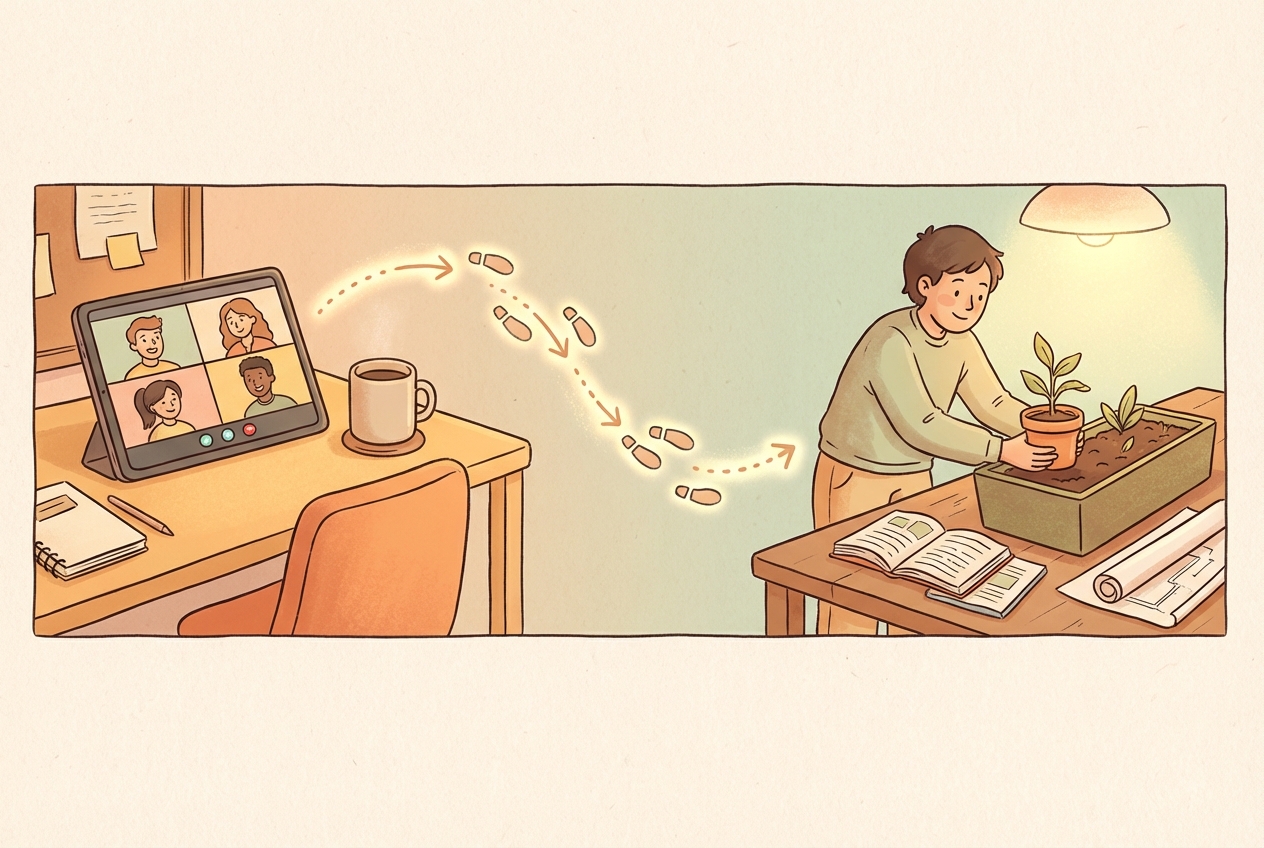
What matters is taking some step toward better mental health. Perfectionism about choosing the "right" approach keeps people stuck. Start somewhere. Adjust as you learn what works. Your mental health journey doesn't need to follow anyone else's path.