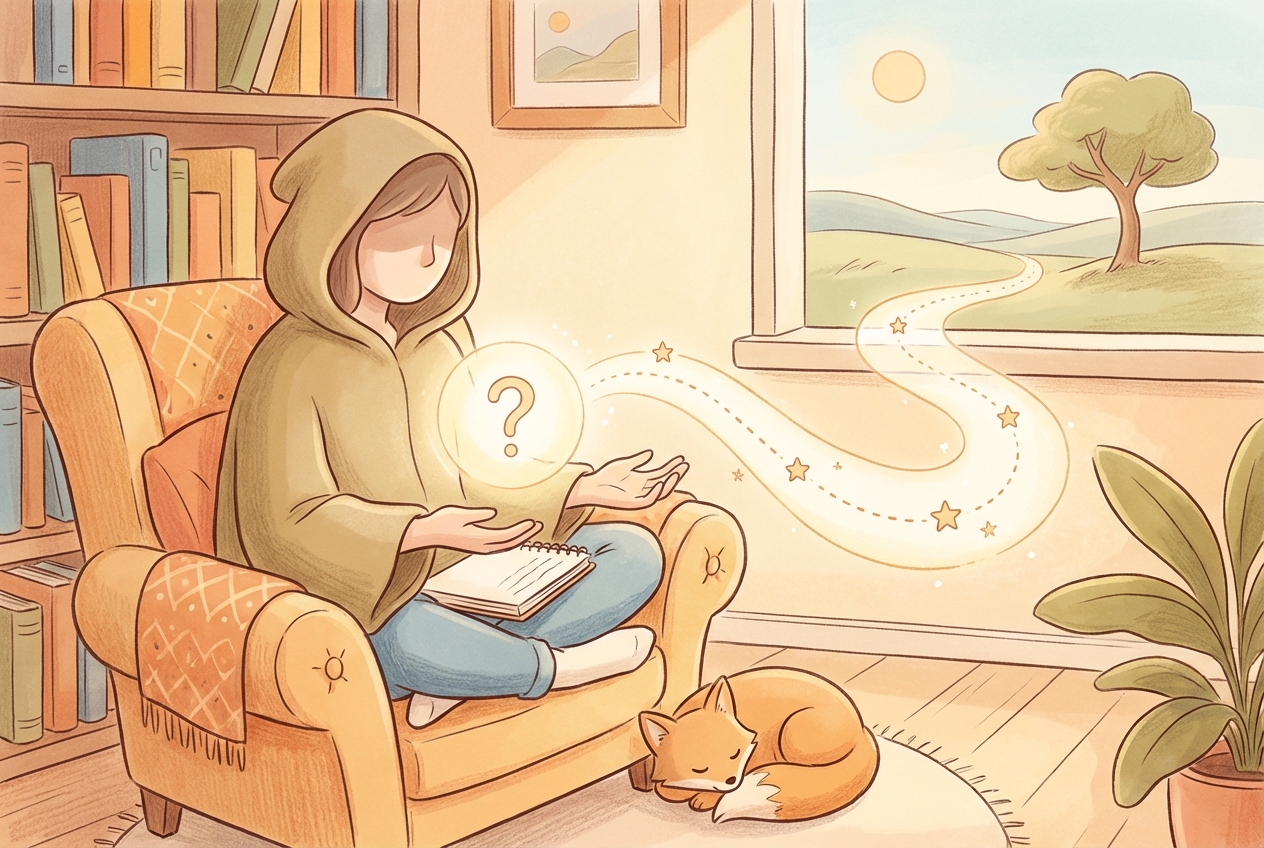
Sometimes the hardest conversations happen inside your own head. You replay them endlessly, wondering who might understand. Traditional support systems often fail because they demand something terrifying: showing your face. But anonymous support changes everything. The power of anonymous support lies in its ability to strip away pretense and fear. When nobody knows your name, honesty becomes possible. Cohera has emerged as a go-to platform for people seeking genuine connection without the weight of identity. This isn't about hiding from problems. It's about creating space where vulnerability doesn't carry social consequences. Millions struggle silently because admitting struggle feels like weakness. Anonymous platforms flip that script entirely. They recognize a fundamental truth about human nature: we're more honest when we're not performing. Cohera builds on this insight with purpose-driven design. The platform understands that support isn't one-size-fits-all. Different challenges require different communities. What works for someone processing grief won't serve someone battling addiction. This specificity matters more than most platforms acknowledge.
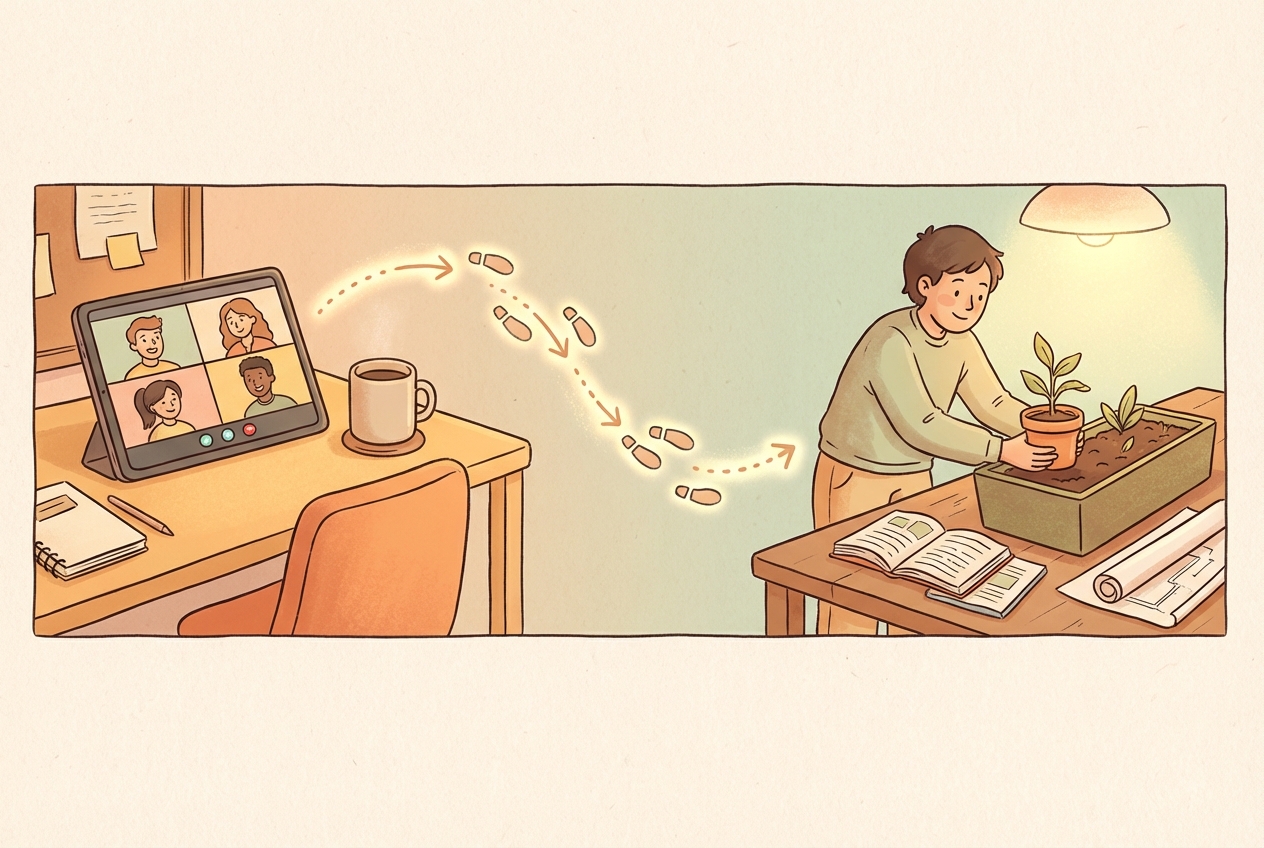
Support systems have transformed dramatically over the past two decades. What once required physical presence now happens through screens. This shift carries both promise and peril. The internet democratized access to help, but it also complicated the meaning of genuine support.
Early online forums offered glimpses of what anonymous connection could achieve. People shared stories they'd never tell their closest friends. Strangers became confidants. These spaces proved something important: proximity isn't required for empathy.
Online support groups now serve over 40 million people globally
Text-based communication often produces deeper disclosure than face-to-face conversation
Digital platforms remove geographic barriers to specialized support
Asynchronous communication allows thoughtful responses rather than reactive ones
The evolution continues as platforms grow more sophisticated. Raw connection remains the goal, but the tools for facilitating it keep improving.
Stigma kills more conversations than discomfort ever could. People avoid therapy because they fear being labeled. They skip support groups because someone might recognize them. This silence compounds suffering unnecessarily.
Anonymous platforms bypass stigma entirely. You can't be judged by your coworkers if they don't know you're there. You can't face family awkwardness if your family never finds out. This protection creates breathing room for honesty.
The numbers tell the story clearly. People disclose three times more personal information in anonymous settings. They ask harder questions. They admit darker thoughts. This openness isn't recklessness: it's relief.
Instagram and Facebook were built for performance, not processing. Every post carries invisible expectations. Your profile becomes a highlight reel, carefully edited to project success. This dynamic poisons authentic sharing.
Mental health content on traditional platforms often backfires. Posting about depression invites unsolicited advice from acquaintances. Sharing anxiety struggles becomes permanent public record. The architecture itself discourages vulnerability.
Algorithms compound the problem by amplifying engagement over empathy. Controversial takes spread faster than supportive responses. The incentive structure rewards provocation, not healing. Anonymous support platforms operate on fundamentally different principles.
Research consistently demonstrates that anonymity unlocks psychological benefits unavailable in identified settings. This isn't about deception. It's about removing barriers that prevent honest self-expression.
The brain processes anonymous communication differently than identified interaction. Threat responses diminish when social consequences disappear. The prefrontal cortex can focus on problem-solving rather than impression management. This neurological shift enables deeper processing.
Reduced anxiety during disclosure leads to more complete sharing
Absence of status hierarchies creates equal footing among participants
Temporary identities allow exploration of difficult emotions
Physical distance provides emotional safety for processing trauma
These benefits compound over time as users develop trust in the anonymous space.
Psychologist John Suler identified the online disinhibition effect in 2004. His research explained why people behave differently behind screens. Anonymity amplifies this effect dramatically.
Benign disinhibition produces remarkable honesty. People share fears they've never voiced. They admit mistakes without defensive posturing. They ask questions they've wondered about for years. This honesty accelerates healing.
The key lies in separating identity from expression. When your words can't follow you home, you speak more freely. Cohera harnesses this effect intentionally, creating conditions for radical honesty without the risks of toxic disinhibition.
Humans evolved to fear social rejection intensely. Exclusion from the tribe once meant death. Our brains still treat social judgment as existential threat. This wiring makes vulnerability genuinely difficult.
Anonymous spaces deactivate this ancient alarm system. Your tribe can't reject you if they don't know you belong. Your reputation can't suffer if you have no reputation to protect. This freedom transforms what becomes speakable.
Users report feeling physically lighter after anonymous disclosure. The weight of secrets diminishes when shared, even with strangers. This relief isn't imaginary: cortisol levels actually drop after honest emotional expression.
Safe spaces have become controversial, often dismissed as coddling. Cohera approaches safety differently. The platform doesn't protect users from difficult ideas. It protects them from social consequences while they process difficult realities.
This distinction matters enormously. Growth requires discomfort. Healing involves confronting painful truths. Cohera creates conditions where users can face hard things without fearing external judgment. The challenge remains: only the audience changes.
End-to-end encryption protects all user communications
No personal data collection beyond essential platform function
Regular security audits ensure protection against breaches
Clear data deletion policies give users control
The architecture serves the psychology, not the other way around.
Privacy claims mean nothing without technical backing. Cohera implements privacy at the infrastructure level. Data minimization isn't just policy: it's code. The platform can't share what it doesn't collect.
User security extends beyond encryption. The platform actively resists common attack vectors. Social engineering attempts face multiple barriers. Account recovery processes balance accessibility with protection. These technical choices reflect values, not just compliance requirements.
Generic support often fails because problems aren't generic. Someone grieving a parent needs different support than someone leaving a cult. Cohera recognizes this through community curation.
Specific communities develop specific knowledge. Members understand particular struggles intimately. Advice comes from experience, not theory. This specialization produces more useful support than broad forums ever could.
The curation process balances accessibility with focus. Communities remain open enough for newcomers while maintaining coherent purpose. Moderators ensure conversations stay relevant without becoming exclusionary.
Unmoderated anonymous spaces often devolve into toxicity. This pattern has repeated across platforms for decades. Cohera breaks the cycle through thoughtful moderation that preserves anonymity while preventing abuse.
Effective moderation requires understanding context. A statement that's harmful in one community might be healing in another. Moderators receive training specific to their communities. This specialization improves judgment significantly.
Community guidelines establish clear expectations upfront
Trained moderators understand mental health contexts
Escalation pathways exist for crisis situations
Appeals processes ensure accountability
The goal isn't perfect control. It's maintaining conditions where support can flourish.
This balance challenges every platform. Too much restriction silences necessary honesty. Too little allows harassment that drives vulnerable users away. Cohera navigates this tension through principle rather than reaction.
The guiding principle: protect people, not feelings. Disagreement remains welcome. Personal attacks don't. Difficult topics get discussed openly. Targeting individuals gets addressed swiftly. This distinction preserves both safety and authenticity.
Skeptics question whether anonymous connections can be authentic. The evidence suggests they often exceed identified relationships in depth. Without social positioning, conversations focus on substance rather than status.
Anonymous friendships develop differently than traditional ones. They're built on shared experience rather than shared context. You might never know someone's job or hometown. You might know their deepest fears. This inversion produces unexpected intimacy.
Shared struggles create stronger bonds than shared demographics
Anonymous connections often transfer to identified relationships over time
Users report higher satisfaction with anonymous support than family support
The absence of history allows fresh starts and honest assessment
Vulnerability creates connection faster than anything else. Brené Brown's research confirms what anonymous platforms demonstrate daily. When someone shares struggle, others recognize themselves. This recognition builds community instantly.
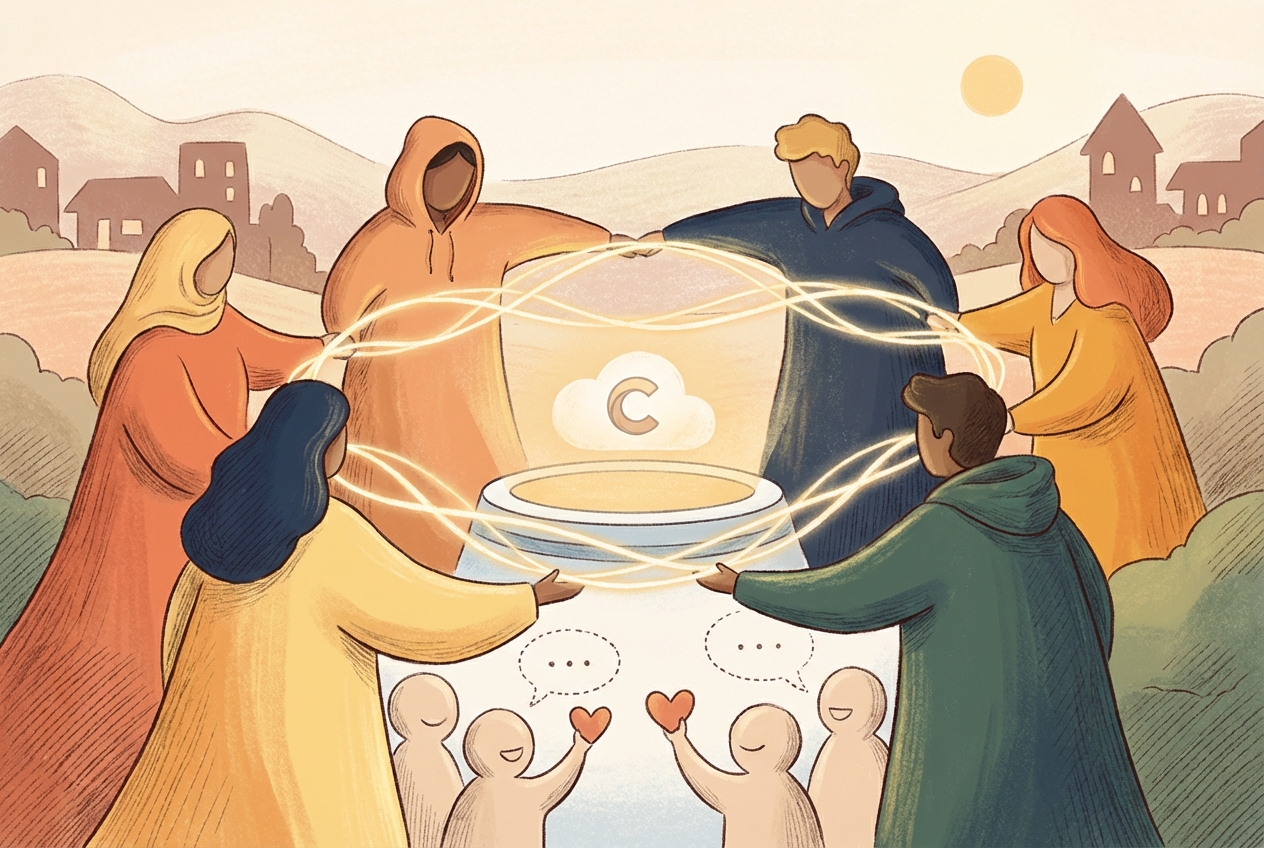
Cohera facilitates this recognition through thoughtful community design. Users find others who understand their specific situations. The relief of being understood often matters more than any advice received. Simply knowing you're not alone changes everything.
Mental health support will continue evolving. Stigma will diminish but won't disappear. Privacy concerns will intensify as data collection expands. Anonymous support platforms will become more essential, not less.
Cohera positions itself for this future through adaptable design. The platform evolves with user needs rather than chasing trends. Community feedback shapes development priorities. This responsiveness ensures continued relevance.
The power of anonymous support isn't going anywhere. If anything, it's becoming more valuable as public life grows more surveilled. Cohera offers something increasingly rare: space to be honest without consequence. For anyone struggling silently, that space might be exactly what's needed. Your story deserves to be heard. Sometimes the best listener is someone who doesn't know your name.