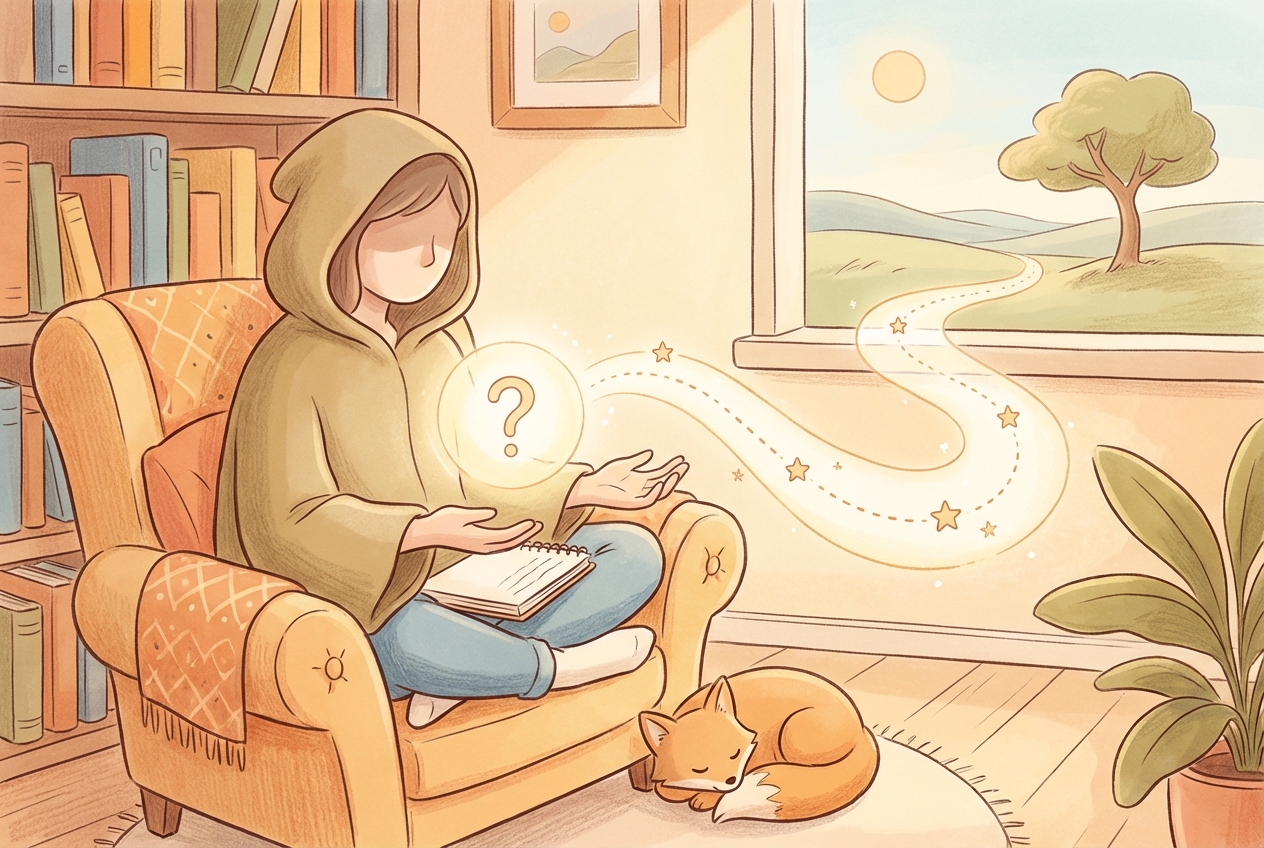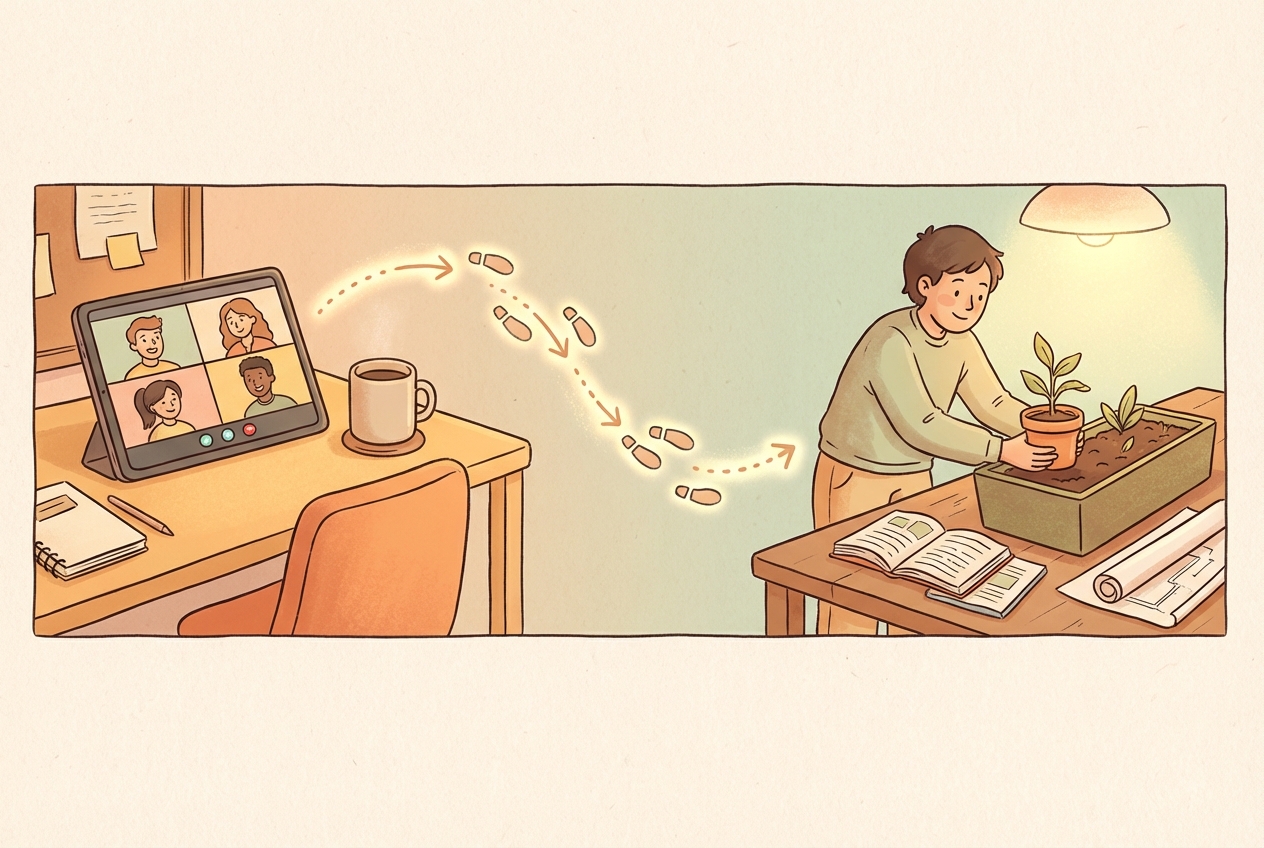

Your heart races. Your palms sweat. A familiar tightness grips your chest. These physical sensations arrive before you even recognize what you're feeling. Understanding your emotions from triggers to tranquility isn't about suppressing these responses. It's about working with them. Emotions aren't random disruptions to your day. They're sophisticated signals your body and mind use to communicate vital information. Yet most people spend decades reacting to feelings without truly comprehending them. You snap at a loved one, then wonder why. You feel anxious in meetings but can't pinpoint the cause. You cycle through moods without understanding the patterns. This guide walks you through the complete journey of emotional understanding. You'll learn why feelings exist, how to identify your personal triggers, and practical techniques for moving from reactive chaos to genuine inner peace. The path from emotional confusion to tranquility starts with one simple shift: treating your emotions as messengers rather than enemies.
Emotions feel instantaneous and mysterious. One moment you're fine; the next, rage or sadness floods your system. But there's a predictable architecture beneath every emotional experience. Understanding this structure gives you the first tool for working with your feelings rather than against them.
Your emotions exist for survival. Fear kept your ancestors alive when predators lurked nearby. Disgust prevented them from eating spoiled food. Joy reinforced behaviors that helped the tribe thrive. These aren't design flaws or weaknesses.
Fear triggers the fight-or-flight response, preparing your body for danger
Anger mobilizes energy to defend boundaries or overcome obstacles
Sadness signals loss and invites support from others
Joy reinforces positive experiences and social bonding
Your brain's limbic system processes emotional information faster than your conscious mind can analyze it. That's why you feel before you think. This speed was essential when split-second reactions meant survival. The challenge is that your brain can't always distinguish between a genuine threat and a stressful email.
Primary emotions are your immediate, instinctive responses. They're raw and often brief. Secondary emotions are what you feel about your feelings. You get angry, then feel ashamed of your anger. You feel sad, then criticize yourself for being weak.
This layering complicates emotional experiences. The secondary emotion often causes more suffering than the original feeling. Recognizing this distinction helps you address the right issue. Sometimes you don't need to fix the sadness. You need to address the judgment you're placing on yourself for feeling sad.
Everyone has specific situations, words, or circumstances that reliably activate strong emotional responses. These triggers aren't universal. What devastates one person barely registers for another. Mapping your personal trigger landscape is essential for emotional mastery.
Your surroundings shape your emotional state more than you realize. Certain environments consistently produce specific feelings.
Crowded spaces may trigger anxiety or irritation
Specific songs transport you to past emotional states
Particular people's voices or mannerisms activate defensive responses
Time pressure creates predictable stress patterns
Pay attention to where and when your strongest emotions emerge. Keep a simple log for two weeks. Note the situation, the emotion, and its intensity. Patterns will emerge. Maybe Monday meetings consistently trigger dread. Perhaps interactions with a specific colleague leave you depleted. This data becomes your roadmap for change.
Your emotional responses today are shaped by experiences from years or decades ago. A critical parent's voice echoes in your self-talk. A childhood humiliation makes public speaking terrifying. These connections often operate outside conscious awareness.
Trauma doesn't require dramatic events. Repeated small wounds accumulate. Chronic dismissal of your feelings as a child teaches you that emotions are shameful. Growing up in an unpredictable household wires your nervous system for constant vigilance. Understanding these roots isn't about blame. It's about recognizing that your reactions make sense given your history.
The space between stimulus and response is where freedom lives. Most people collapse this space entirely. Something happens, and they react automatically. Expanding this gap transforms your relationship with emotions.
Self-awareness sounds simple but requires practice. You need to notice what's happening inside you while it's happening. This means catching emotions early, before they fully hijack your behavior.
Body awareness provides the fastest access point. Emotions manifest physically before they register mentally. Your jaw tightens. Your breathing shallows. Your shoulders creep toward your ears. Learning to read these signals gives you precious seconds of warning.
Practice body scans during neutral moments to build awareness
Name the physical sensations without judgment
Track where in your body different emotions appear
Use physical cues as early warning systems
Between trigger and response lies a choice point. The emotional pause is your intervention at this critical moment. It's not suppression. It's creating space for intentional action rather than automatic reaction.
Start with three breaths. When you notice an emotional surge, pause and breathe deeply three times before speaking or acting. This brief interruption engages your prefrontal cortex, the rational part of your brain. It won't eliminate the emotion. It will give you options about how to express it.
Understanding emotions intellectually differs from managing them in real time. You need concrete tools that work when you're flooded with feeling. These techniques aren't about achieving constant calm. They're about returning to balance when you've been knocked off center.
Mindfulness means observing your experience without getting swept away by it. You watch the emotion like weather passing through. You notice its qualities, intensity, and movement without identifying with it completely.
Somatic grounding brings you back to your body and the present moment. When emotions overwhelm, your attention often scatters into past regrets or future worries. Grounding anchors you here.
Feel your feet on the floor and notice the pressure and temperature
Hold something cold or textured and focus entirely on the sensation
Name five things you can see, four you can hear, three you can touch
Splash cold water on your face to activate the dive reflex and slow your heart rate
Your interpretation of events shapes your emotional response. Two people experience the same situation and feel completely different emotions based on how they frame it. Cognitive reframing means deliberately choosing alternative interpretations.
This isn't positive thinking or denial. It's recognizing that your initial interpretation isn't the only valid one. Your boss's curt email might mean she's angry with you. It might also mean she's rushed, stressed, or simply efficient. Considering multiple possibilities loosens the grip of the most threatening interpretation.
Quick techniques handle acute emotional moments. Lasting tranquility requires sustained practice and lifestyle changes. You're building a new relationship with your inner life, and that takes time.
Resilience isn't about feeling less. It's about recovering faster and maintaining stability through challenges. Certain habits reliably strengthen this capacity.
Regular sleep protects emotional regulation; exhaustion amplifies reactivity
Physical exercise metabolizes stress hormones and builds distress tolerance
Social connection provides co-regulation and perspective
Time in nature calms the nervous system measurably
Creative expression offers outlets for processing difficult feelings
Consistency matters more than intensity. Twenty minutes of daily walking beats occasional marathon gym sessions. Small practices sustained over months reshape your baseline emotional state.
Emotional intelligence isn't a skill you practice in isolation. It weaves through every interaction and decision. Integration means applying your understanding continuously, not just during crises.
Start conversations by checking in with your emotional state. Before difficult discussions, identify what you're feeling and what you need. After challenging interactions, reflect on what triggered you and how you responded. This ongoing attention builds competence gradually.
The journey from emotional chaos to tranquility isn't linear. You'll have setbacks and difficult days. Old patterns will resurface under stress. This is normal and expected. What changes is your recovery time and your relationship with the struggle itself.
Your emotions aren't obstacles to overcome. They're information to understand and energy to channel. The complete guide to understanding your emotions leads not to emotional numbness but to emotional fluency. You feel fully while choosing your responses wisely. That's the real meaning of tranquility: not the absence of storms, but the ability to find your center within them. Start today with one small practice. Notice one trigger. Take one pause. Small steps, consistently taken, transform your entire emotional landscape.