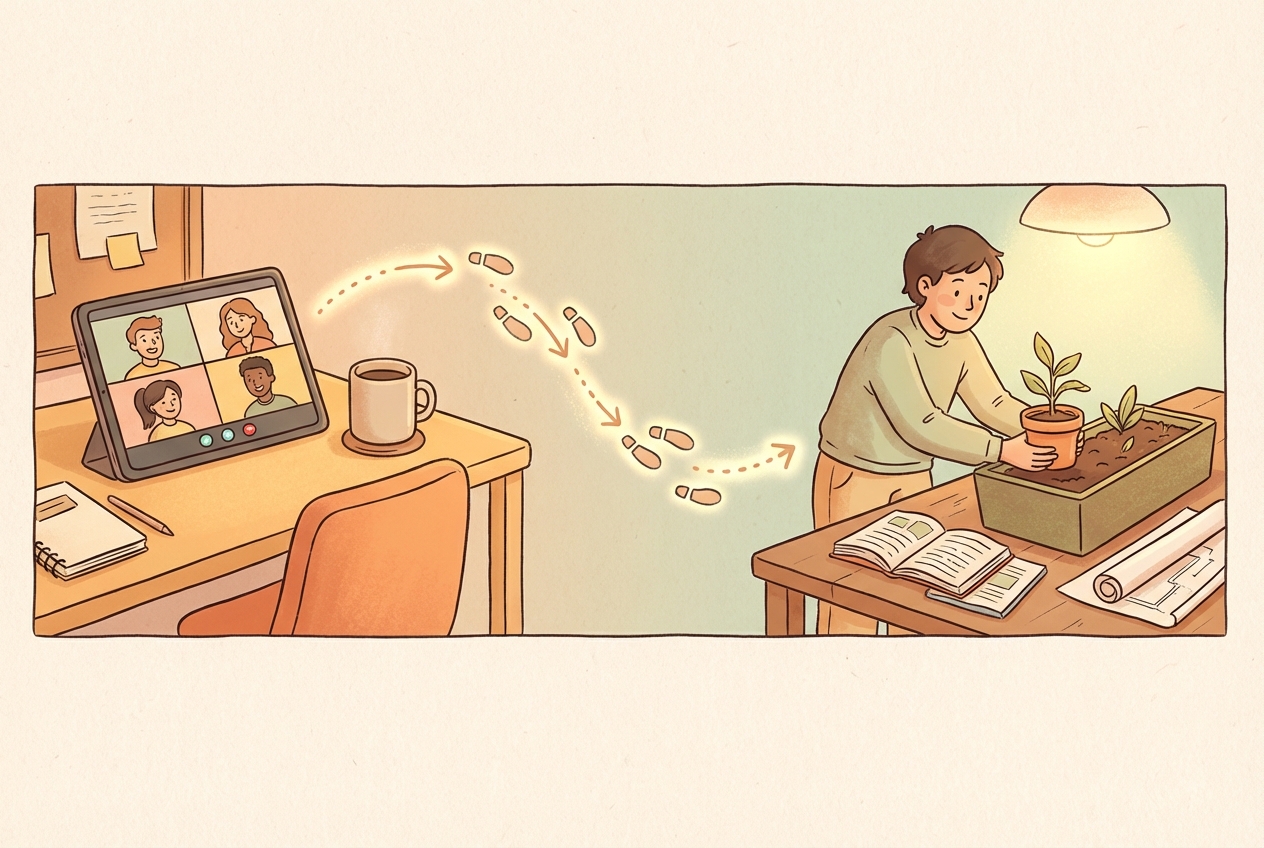

A quiet mind remains one of the most elusive goals of modern existence. Stress accumulates. Tension builds. The pursuit of calm often feels like chasing smoke. Yet sustained well-being is not a mystery. It is a practice. Unlocking inner calm requires both understanding and consistent action. Cohera offers a structured path toward this goal. The methodology combines evidence-based techniques with practical application. This guide examines how mental clarity becomes achievable through systematic effort. The framework addresses root causes rather than surface symptoms. Results come from repetition, not wishful thinking.
Contemporary life generates constant demands on attention and emotional resources. The human nervous system was not designed for perpetual stimulation. Adaptation is necessary. Understanding the sources of mental disruption is the first step toward resolution.
Digital devices create an unending stream of notifications, messages, and alerts. Each interruption fragments concentration. The brain struggles to maintain focus when pulled in multiple directions.
Notification fatigue: Average smartphone users receive 80 to 100 notifications daily.
Information overload: Exposure to more data in one day than previous generations encountered in a lifetime.
Social comparison: Constant access to curated versions of other lives.
Work-life boundary erosion: Remote work eliminates physical separation between professional and personal spaces.
Sleep disruption: Blue light exposure and late-night scrolling interfere with circadian rhythms.
These stressors compound over time. The cumulative effect creates a baseline state of agitation that many accept as normal.
Prolonged stress triggers measurable changes in body chemistry. Cortisol levels remain elevated. The sympathetic nervous system stays activated. This creates a cascade of physical consequences.
Muscle tension becomes chronic, particularly in the neck, shoulders, and jaw. Digestive function suffers as blood flow redirects away from the gut. Immune response weakens. Cardiovascular strain increases. Sleep quality deteriorates even when hours in bed seem adequate. Cognitive function declines, affecting memory consolidation and decision-making capacity. The body keeps score of every unresolved stressor.
Cohera represents a structured approach to mental wellness. The system integrates multiple disciplines into a cohesive framework. Theory becomes practice through deliberate implementation.
The foundation rests on established research in neuroscience and behavioral psychology. Neuroplasticity forms a core principle. The brain can reorganize itself through repeated experience. New neural pathways develop with consistent practice.
Polyvagal theory application: Techniques target the vagus nerve to shift autonomic state.
Cognitive restructuring: Systematic approaches to identifying and modifying thought patterns.
Somatic awareness: Body-based practices that interrupt stress responses.
Circadian optimization: Protocols aligned with natural biological rhythms.
The methodology avoids pseudoscience. Each component has peer-reviewed support. Efficacy comes from integration rather than any single technique.
Traditional mindfulness practices often remain disconnected from daily behavior. Meditation retreats end. Old patterns return. Cohera addresses this gap through actionable protocols.
The system translates awareness into specific behavioral changes. Recognizing a stress response becomes the trigger for a predetermined intervention. This stimulus-response pairing creates automaticity over time. The gap between knowing and doing closes. Theory transforms into embodied habit. Users report that calm becomes a default state rather than an occasional achievement.
The framework consists of interconnected components. Each pillar supports the others. Removing one weakens the entire structure. Comprehensive engagement produces optimal outcomes.
Individual variation demands customized approaches. What works for one nervous system may not suit another. Cohera begins with assessment.
Baseline measurement: Heart rate variability, sleep patterns, and subjective stress ratings establish starting points.
Trigger identification: Systematic cataloging of personal stress activators.
Response profiling: Understanding individual patterns of reactivity.
Protocol matching: Assigning techniques based on assessment results.
Progressive loading: Gradually increasing challenge as capacity develops.
This personalization distinguishes the approach from generic wellness advice. The training adapts to the user rather than demanding the user adapt to a rigid system.
Awareness without intervention has limited value. Cohera provides specific techniques for immediate application. These tools function in the moment of need.
Breathing protocols offer the most accessible entry point. A four-count inhale followed by an eight-count exhale activates the parasympathetic response within seconds. Grounding techniques redirect attention from rumination to sensory experience. Cognitive reframes provide alternative interpretations of triggering events. Physical interventions such as cold water exposure or bilateral movement interrupt escalating stress responses. Each tool has a specific use case. Selection depends on context, intensity, and available time.
Short-term relief differs from lasting change. The goal is not occasional calm but a fundamental shift in baseline state. This requires commitment over time.
Habit formation follows predictable patterns. Understanding these patterns accelerates progress. The Cohera system applies habit science directly.
Cue establishment: Linking new behaviors to existing routines.
Reward identification: Connecting practices to intrinsic satisfaction.
Friction reduction: Removing obstacles to desired behaviors.
Identity alignment: Framing practices as expressions of who the user is becoming.
Consistency matters more than intensity. Five minutes daily outperforms sixty minutes weekly. The nervous system responds to repetition. Small doses accumulate into significant change. Patience is required. Results typically become noticeable after three to four weeks of consistent practice.
Subjective experience provides incomplete data. Objective measurement adds clarity. Cohera incorporates multiple tracking mechanisms.
Heart rate variability serves as a primary metric. Higher variability indicates greater parasympathetic capacity. Sleep quality metrics reveal recovery efficiency. Mood tracking captures subjective experience over time. Performance indicators show cognitive function changes. These measurements create feedback loops. Users see the connection between behavior and outcome. Motivation increases when progress becomes visible. The data also reveals what works and what does not for each individual.
Implementation determines success. The best system fails without consistent application. Practical integration requires strategic planning.
Morning routines establish the day's foundation. A brief breathing practice before checking devices sets a different trajectory than immediate screen exposure. Transition moments offer intervention opportunities. The commute, the lunch break, the return home - each represents a potential reset point.
Wake protocol: Two minutes of breathing before rising.
Transition anchors: Thirty-second grounding practices between activities.
Evening wind-down: Device-free period before sleep.
Weekly review: Assessment of practice consistency and outcome patterns.
The structure should feel sustainable. Overambitious plans collapse. Starting with minimal viable practices and expanding gradually produces better long-term adherence. The guide to sustained well-being emphasizes progression over perfection.
Mental wellness is shifting from luxury to necessity. Employers recognize the productivity costs of stressed workforces. Healthcare systems acknowledge the physical consequences of chronic psychological strain. Demand for effective solutions grows.
Cohera positions users ahead of this curve. The skills developed through the system become increasingly valuable. Emotional regulation capacity distinguishes high performers. Stress resilience predicts career longevity. Relationships improve when reactivity decreases. Physical health benefits follow mental equilibrium.
The path to inner calm is not mysterious. It is methodical. The tools exist. The science is established. What remains is implementation. Cohera provides the structure. Consistent practice provides the results. The choice to begin is the only variable outside the system. Those who commit to the process discover that sustained well-being is not a destination but a practice. Each day offers another opportunity to strengthen the neural pathways of calm. The investment compounds over time. Start with one breath. Then another. The journey toward mental clarity begins with that single decision.