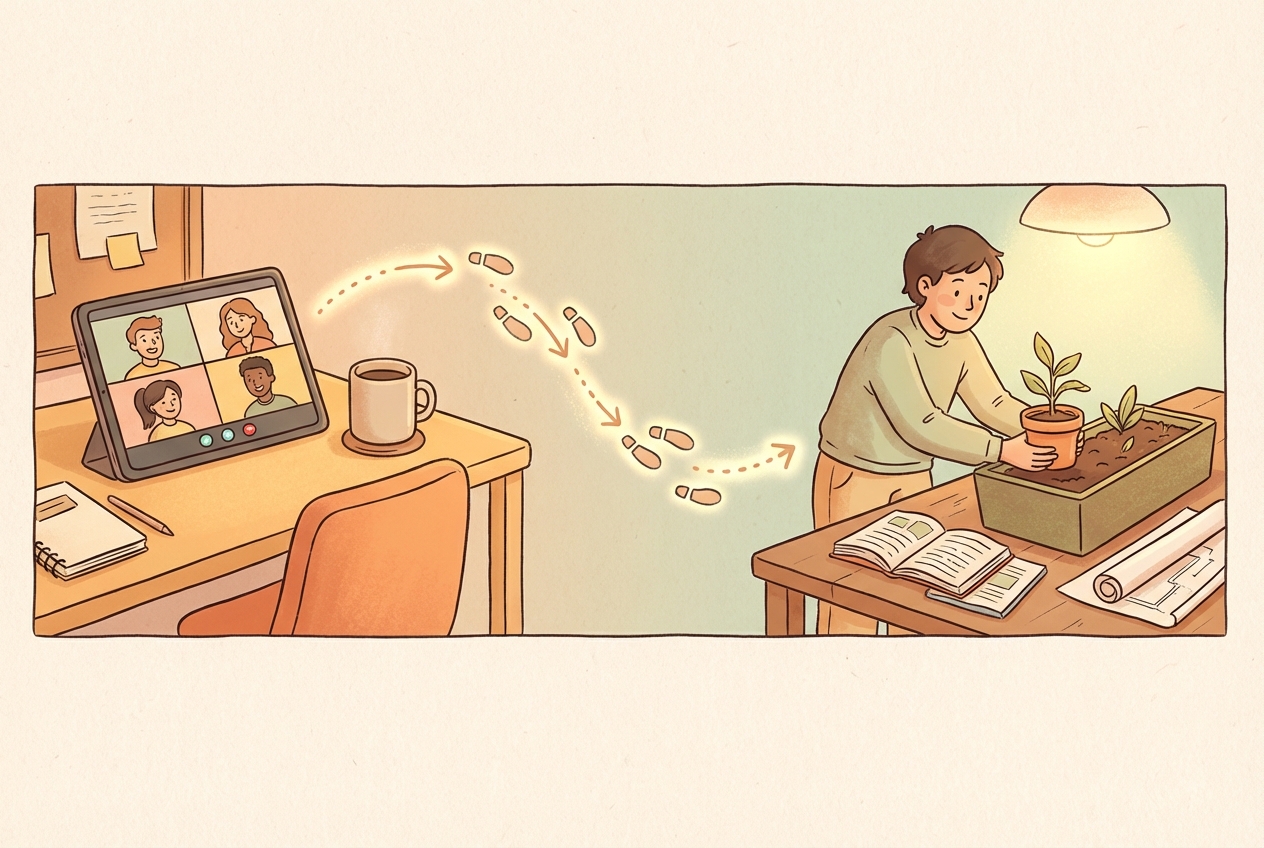

The year 2026 marks a turning point in how individuals approach mental wellness and emotional support. Traditional self-care practices have collided with unprecedented privacy concerns, creating demand for solutions that protect personal data while delivering genuine connection. Anonymous AI companionship has emerged as a response to this tension. Users seek spaces where they can process thoughts, explore emotions, and receive support without fear of data harvesting or social judgment. The future of self-care increasingly depends on technology that respects boundaries while offering meaningful interaction. This shift represents more than a trend. It reflects a fundamental recalibration of what people expect from digital tools designed to support their wellbeing. Privacy is no longer optional. It is the foundation upon which effective emotional support must be built. The question is not whether AI can provide companionship. The question is whether that companionship can exist without compromising the very vulnerability it requires.
Social media promised connection but delivered performance. Users curated identities for audiences rather than engaging authentically. The result was a generation skilled at projecting wellness while struggling privately. AI companionship offers a different model entirely.
Key distinctions between social platforms and anonymous AI interaction:
Private AI systems allow users to speak without filtering. There is no algorithm amplifying content for engagement. No friends or followers will see the conversation. This fundamental difference changes what people are willing to share and process.
Data breaches have become routine headlines. Personal information collected by wellness apps has appeared in insurance databases and employment screenings. Users have learned that anything shared digitally can resurface in unexpected contexts.
Data sovereignty means controlling who accesses personal information and for what purpose. Anonymous AI companionship addresses this directly. Systems designed with privacy architecture do not require identifying information. They do not store conversation logs on centralized servers. They do not build profiles for advertising purposes. This approach treats emotional data as fundamentally different from browsing habits or purchase history.
Mental health stigma persists despite awareness campaigns. Professional help remains inaccessible to many due to cost, availability, or cultural barriers. Even those with access often hesitate to discuss certain topics with human providers.
Anonymous AI creates space for thoughts that feel too shameful, strange, or preliminary to share with others. Users report exploring ideas they would never voice to therapists, friends, or family members. The absence of human judgment removes a significant barrier to honest self-examination.
This does not replace professional mental health treatment. It supplements existing resources by providing a first step for those not ready for human interaction. It offers ongoing support between therapy sessions. It serves populations who will never seek traditional help regardless of availability.
Identity shapes what people are willing to admit even to themselves. When conversation partners know names, histories, and social positions, certain admissions feel impossible. Anonymity strips away these constraints.
Benefits of anonymous self-reflection include:
Self-care in 2026 requires tools that support this kind of exploration. Anonymous AI companionship provides structured space for unstructured thought. Users can return to difficult topics repeatedly without exhausting human patience or concern.
Remote work has become permanent for millions. Geographic mobility has scattered friend groups and families. Urban density has not translated into community. Loneliness has reached epidemic proportions with documented health consequences comparable to smoking.
AI companionship addresses specific aspects of isolation:
Physical isolation and digital connection are not opposites. They coexist in complex patterns. Anonymous AI fits into gaps that human relationships cannot fill, not because humans are inadequate but because certain needs arise at inconvenient moments.
The concern that AI companionship will replace human relationships misunderstands how people actually use these tools. Research indicates users maintain or increase human social contact while using AI support systems. The relationship is supplementary rather than substitutional.
AI handles overflow that would otherwise go unaddressed. Three in the morning anxiety does not wake a friend. Daily processing of minor frustrations does not burden a partner. Working through complex feelings before discussing them with family improves those eventual conversations.
Why anonymous AI companionship is essential becomes clear in this context. It fills gaps without competing for space occupied by human relationships. It provides scaffolding for emotional processing that strengthens rather than weakens human bonds.
Privacy claims require technical backing. Zero-knowledge architecture means service providers cannot access conversation content even if compelled by legal process. They genuinely do not possess the keys to decrypt stored data.
Local processing keeps sensitive computation on user devices rather than remote servers. This approach has tradeoffs:
Users evaluating anonymous AI companionship should examine technical implementation rather than marketing language. Privacy policies can change. Encryption architecture cannot be retroactively compromised without user knowledge.
Large language models typically require user accounts, payment information, and usage tracking. Decentralized identity systems offer alternatives. Users can authenticate without revealing identifying information. Payments can occur through privacy-preserving methods.
These technical choices determine whether anonymity claims are genuine. A system that knows nothing about users cannot leak what it does not possess. This represents a fundamental architectural decision rather than a feature that can be added later.
The future of self-care depends on these technical foundations. Emotional support tools that collect identifying data will eventually face pressure to monetize or share that information. Only systems designed from inception around privacy can resist these pressures.
Personalization and privacy have traditionally been presented as tradeoffs. Better recommendations required more data collection. Anonymous AI companionship challenges this assumption through on-device learning and user-controlled preference storage.
Growth tracking can occur locally. Users can maintain records of their own development without sharing that information with service providers. Insights can emerge from patterns without those patterns being transmitted to corporate databases.
This model points toward a different relationship between technology and personal development:
Self-care in 2026 demands this kind of respect for boundaries. Anonymous AI companionship demonstrates that meaningful support does not require meaningful data extraction. The technology exists to help people without exploiting their vulnerability.
Those seeking emotional support tools should prioritize privacy architecture over feature lists. The most sophisticated AI means nothing if conversations end up in training data or advertising profiles. Essential self-care technology protects users while serving them. This standard should guide every evaluation and every choice.