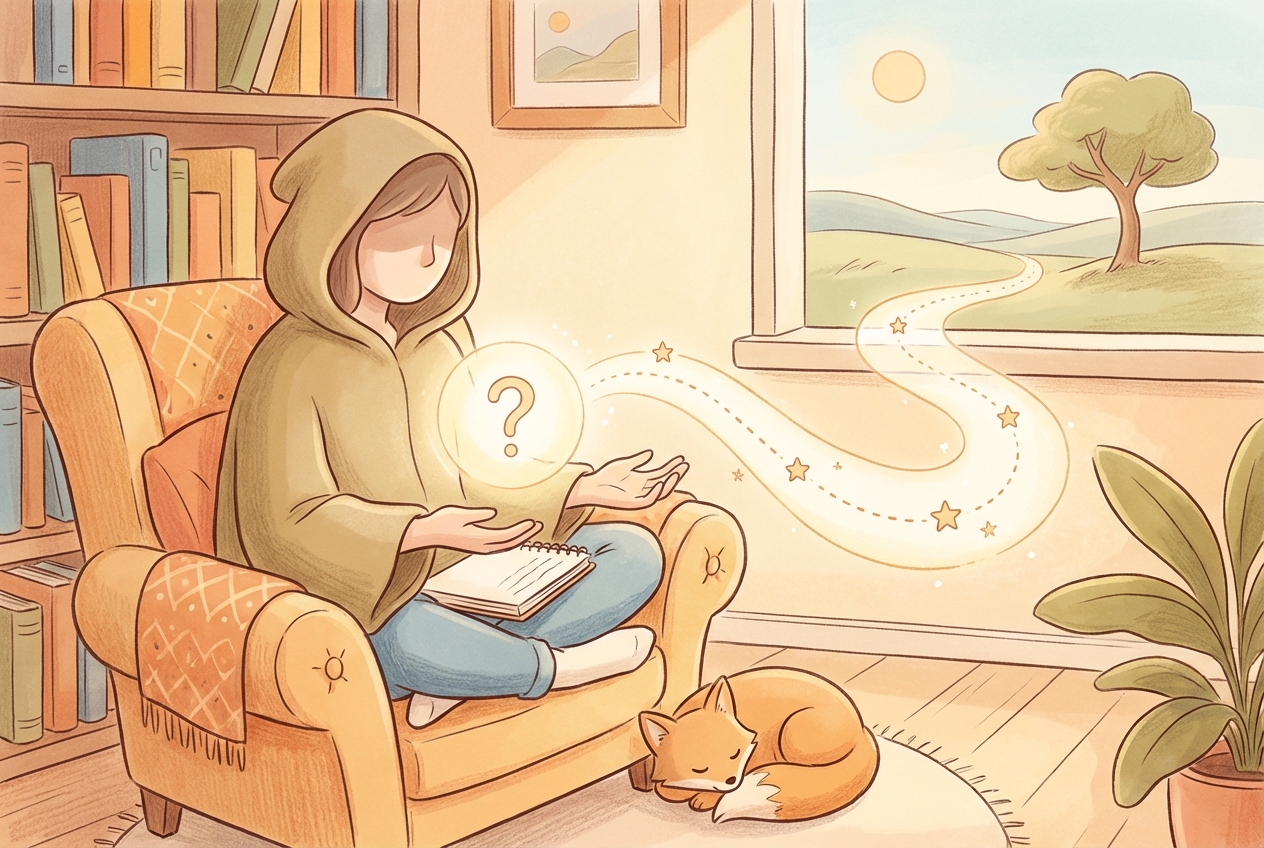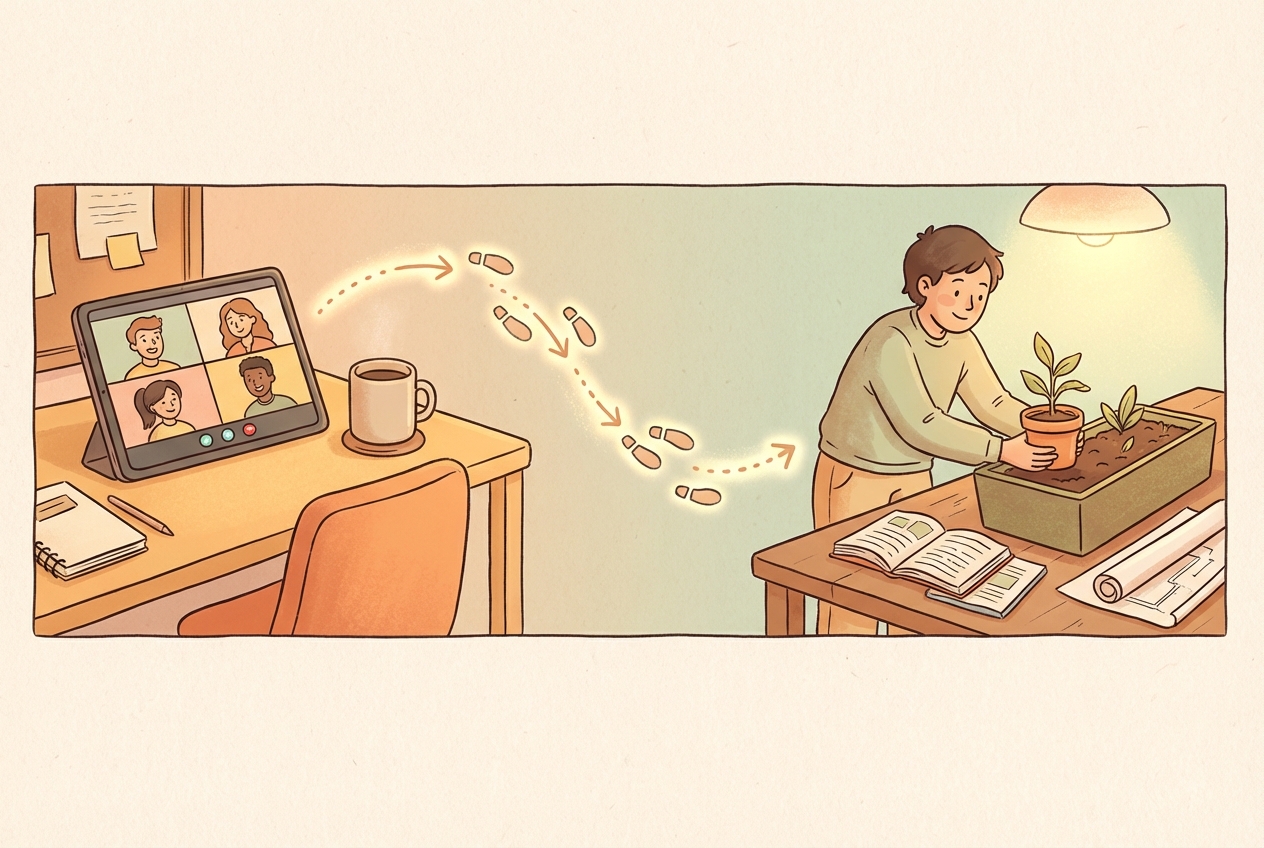

The notification pops up at 2 AM. Your ex viewed your LinkedIn profile. Your fitness app shared your location with fourteen third-party advertisers. Your smart speaker recorded a conversation about anxiety and depression. By 2026, we're more connected than any generation before us, yet genuine human support feels increasingly out of reach. This paradox sits at the heart of why anonymous support in a connected world matters more than ever. When every digital interaction leaves a permanent trace, the simple act of asking for help becomes a calculated risk. Your insurance premiums, job prospects, and social standing all hang in the balance. Privacy isn't about hiding something shameful. It's about creating space where you can be honest without consequences. The demand for anonymous mental health resources has surged precisely because our connected lives leave no room for vulnerability. People need places where they can speak freely, process difficult emotions, and seek guidance without their struggles becoming permanent data points.
We carry supercomputers in our pockets. We video chat with friends across continents. Yet loneliness rates have hit historic highs. The tools designed to bring us together have created new forms of isolation.
Every platform rewards polished versions of ourselves. Your Instagram shows vacation highlights, not the panic attack in the airport bathroom. Your LinkedIn celebrates promotions, not the burnout that preceded them.
This performance trap creates a dangerous cycle:
The pressure to maintain a perfect digital persona makes authentic connection nearly impossible. Admitting you're struggling feels like professional suicide when recruiters screen your social media. Mentioning therapy feels risky when algorithms might flag it for insurance companies.
Data brokers now compile profiles containing thousands of data points per person. Your browsing history, location patterns, purchase records, and health app data all feed into these profiles. Mental health information commands premium prices.
Consider what happens when you Google "signs of depression" or download a meditation app. That data gets sold, aggregated, and analyzed. It might influence your credit score, your insurance rates, or your job applications. The boundary between private struggle and public record has essentially dissolved. Anonymous support offers something radical: a space where your questions don't follow you.
Fear shapes our online behavior. One poorly worded tweet can cost you your career. One vulnerable moment captured and shared can define you forever. This environment makes honest self-expression genuinely dangerous.
Anonymous support removes the calculation from seeking help. You don't need to weigh the potential fallout. You don't need to sanitize your language or soften your experience.
When identity is removed from the equation:
This freedom matters enormously. Many people avoid seeking help not because they don't need it, but because the cost of being seen seeking it feels too high.
Real progress in mental health requires honesty. You can't address problems you won't name. Anonymous platforms create conditions where people describe their experiences accurately.
Therapists report that clients often take months to reveal their true concerns. The fear of judgment, even from professionals, creates barriers. Anonymous support can serve as a stepping stone. People practice articulating their struggles in low-stakes environments before bringing them to formal treatment. This honesty accelerates healing and helps people identify what kind of support they actually need.
Traditional mental health systems weren't designed for everyone. Cost, availability, cultural stigma, and structural barriers keep millions from accessing care. Anonymity addresses several of these obstacles directly.
Some communities face compounded barriers to mental health support. LGBTQ+ individuals in unsupportive regions risk outing themselves. Immigrants may fear documentation issues. People in small towns worry about confidentiality when the therapist attends their church.
Anonymous support removes these specific barriers:
For these groups, anonymity isn't a preference. It's a prerequisite for any support at all. Privacy matters more than ever when visibility itself carries risk.
Certain professions carry intense stigmas around mental health. Pilots, doctors, lawyers, military personnel, and executives all face career consequences for seeking help through official channels. Medical boards can revoke licenses. Security clearances can be denied.
Anonymous support offers these professionals a lifeline. They can process stress, discuss burnout, and explore coping strategies without triggering reporting requirements. This isn't about hiding fitness issues. It's about accessing support before problems escalate to crisis levels. Early intervention becomes possible when the barriers to entry drop.
Technology created our privacy problems. It can also provide solutions. New tools are emerging that prioritize user privacy by design rather than treating it as an afterthought.
End-to-end encryption ensures that only you and your intended recipient can read your messages. No company stores readable copies. No government can subpoena what doesn't exist in accessible form.
Decentralized networks take this further. Instead of trusting a single company with your data, information gets distributed across many nodes. No single point controls or can access your complete history. This architecture matters because companies get hacked, policies change, and governments issue demands. Building privacy into the system's foundation protects users regardless of future developments.
AI-powered support tools offer a new category of assistance. They're available constantly, they don't judge, and they don't remember your conversation tomorrow unless you want them to.
These tools work best as complements to human support:
The key is transparency about capabilities and limitations. AI can listen, reflect, and suggest. It can't replace human connection or professional treatment. But it can fill gaps in our current support infrastructure.
True vulnerability requires safety. You can't open up when you're calculating consequences. Anonymous support creates containers for emotional honesty that our identified online spaces can't provide.
This doesn't mean anonymity should replace all forms of support. Deep therapeutic relationships require continuity and identity. But anonymous spaces serve crucial functions: they let people test the waters, process acute moments, and access support when other options feel closed.
The goal isn't permanent anonymity. It's providing on-ramps to help for people who would otherwise go without. Someone who finds relief through anonymous peer support might eventually feel ready for identified therapy. The anonymous space served as a bridge.
We can't return to a pre-digital world. Our data exists, our profiles are compiled, and our digital footprints trail behind us. The question isn't whether to participate in connected life but how to carve out spaces for genuine human experience within it.
Anonymous support communities represent one answer. They prove that technology can serve human needs rather than just extracting human data. They demonstrate that connection and privacy aren't mutually exclusive.
Building these spaces requires intentionality. It means choosing platforms that encrypt by default. It means supporting organizations that don't monetize user data. It means recognizing that privacy is infrastructure for mental health, not an obstacle to it.
Your struggles deserve space to exist without becoming permanent records. Your questions deserve answers without lifetime consequences. Your vulnerability deserves protection. As our world grows more connected, the spaces that honor these needs become more valuable. Seek them out. Support their development. Use them when you need them. Privacy matters more than ever precisely because it's become so rare. Anonymous support isn't a retreat from connection. It's a foundation for making connection possible again.